

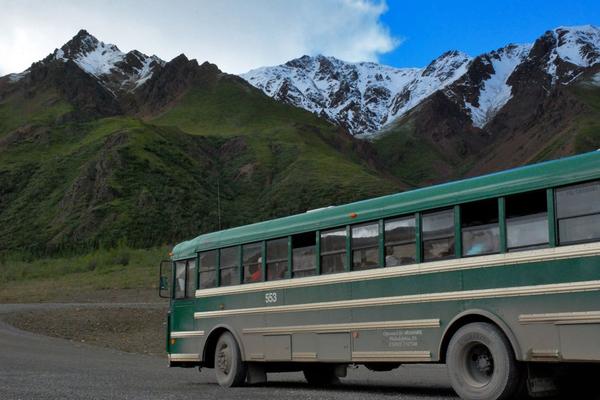
Remote wilderness trips in the USA offer something increasingly rare: long stretches of forest, desert, mountains, river, or tundra with few people and limited services. That solitude is the attraction, but it also changes how a trip should be planned. A route that looks simple on a map can become complicated when an access road closes, a water source dries up, weather shifts, or an injury happens far from help.
The best remote hiking trips are not built around distance alone. They are built around margins: extra time, alternate routes, realistic turnaround points, and a clear plan for what happens when the original itinerary stops working.
Start With Access, Not the Trail
For many wilderness destinations in the USA, reaching the trailhead is a major part of the trip. Access may involve long gravel roads, seasonal gates, ferries, shuttles, or air taxis. Roads can also close because of snow, flooding, wildfire, or maintenance.
Before setting daily mileage, check the land manager’s current road status, parking rules, permit process, and seasonal restrictions. Do not assume a road shown on a mapping app is passable in an ordinary vehicle. For off grid adventure travel, the final miles of access can be more important than the first miles of hiking.
Build a Conservative Route
Plan backcountry trips around terrain, elevation, navigation difficulty, daylight, and pack weight rather than a fixed miles-per-day target. Cross-country travel, deep sand, snow, talus, river crossings, or heavy vegetation can reduce your normal pace sharply.
Give each day some slack. If the route includes a high pass, exposed ridge, difficult ford, or long dry section, choose a turnaround time before leaving. A schedule with no spare time can push a group into bad decisions late in the day.
For example, imagine a three-night trip where day two crosses an exposed pass. Instead of planning to reach the pass near sunset, aim to arrive early enough that worsening weather still leaves time to retreat to a known campsite. That small adjustment creates a meaningful safety margin without reducing the sense of adventure.
Check Permits and Local Rules
Permit systems vary widely across parks, forests, wilderness areas, and refuges. Some places require overnight permits, some use quotas or designated campsites, and others have special rules for food storage, fires, group size, or sensitive areas. Conditions such as wildfire or wildlife activity can also change access with little notice.
Check the official page for the exact area shortly before departure. If permits are limited, prepare a backup route rather than assuming your first choice will be available. Understanding US national park permits and backcountry camping basics is especially useful when a trip crosses more than one managed area.
Use Redundant Navigation
A phone with offline maps is useful, but it should not be your only navigation system. Download maps before leaving coverage and carry another dependable option, such as a paper topographic map and compass. Know how to use that backup before the trip starts.
Plan Communications for No Cell Service
Remote areas often have little or no reliable cellular coverage. A satellite messenger or personal locator beacon can add an important emergency layer, but neither replaces judgment, navigation, first aid, or a trip plan.
Leave a written itinerary with someone who is not on the trip. Include the route, vehicle description and parking location, expected camps, planned return time, alternate route, communication method, and a specific time when that person should contact authorities if you are overdue. National Park Service guidance emphasizes detailed trip plans because they can give search-and-rescue teams useful information if a party fails to return.
Treat Weather as Part of Route Selection
Weather can transform a remote route quickly. Mountain thunderstorms, early snow, desert heat, flash flooding, wildfire smoke, strong winds, and cold rain can all change travel speed and safe route choices. Check the forecast for the actual wilderness area rather than relying on conditions in the nearest town.
In mountain terrain, plan exposed sections so you are not committed to a ridge or summit when thunderstorms are likely. The National Weather Service advises backcountry travelers to use turnaround times that get them off exposed terrain before storms develop or arrive. Knowing how to read a mountain weather forecast is a valuable skill for longer wilderness trips.
Give Water, Food, and Shelter Extra Margin
Remote routes may have no resupply options. Confirm water availability from current official conditions or ranger information when possible, and never assume every blue line on a map will be flowing. Seasonal water sources in arid country can disappear.
Understand the Limits of Self-Rescue
Remoteness increases the time between a problem and outside help. A minor ankle injury near a busy trailhead can become a serious logistical problem two days from a road. Before committing to a route, consider how the group would handle injury, illness, equipment failure, or an impassable section.
Decide who carries first-aid supplies, navigation tools, repair items, emergency communication, and critical medications. Just as important, agree on when to turn around. Continuing because the destination feels close can turn a manageable problem into a rescue.
Design the Exit Before Departure
The exit deserves as much attention as the destination. Confirm shuttle times, vehicle access, pickup arrangements, daylight, river conditions, and current closures.
For point-to-point routes, identify at least one realistic alternate exit. For loops, note where the trip can be shortened without crossing more difficult terrain. The goal is not to eliminate uncertainty; it is to avoid being trapped by one assumption.
FAQ
What are the best remote wilderness trips in the USA for solitude?
The best choice depends on season, experience, access, and terrain. Alaska, the northern Rockies, the desert Southwest, and parts of the Cascades can offer exceptional solitude, but greater remoteness also means greater navigation, weather, and rescue challenges.
Do I need a permit for remote backcountry trips?
Sometimes. Many national parks require permits for overnight backcountry camping, while other federal lands use different systems. Always check the current rules for the exact route and dates.
Should I carry a satellite communicator?
For genuinely remote trips, a satellite messenger or personal locator beacon can be valuable. Treat it as one layer of preparation alongside a written trip plan, navigation backups, first-aid skills, and realistic self-rescue planning.
How much extra time should I build into the itinerary?
There is no universal amount. Avoid planning every day at your maximum pace, and leave room for weather, route-finding, water stops, minor injuries, and a slower-than-expected exit.
Plan for Solitude With a Safety Margin
Remote wilderness travel is rewarding because it removes many of the conveniences of ordinary travel. The same quality also creates responsibility. Confirm access, understand permits, use conservative daily stages, carry navigation backups, leave a detailed trip plan, and give yourself more than one way out.
That preparation does not make a wilderness trip less adventurous. It creates the margin that lets you enjoy the quiet without depending on everything going exactly as planned.