

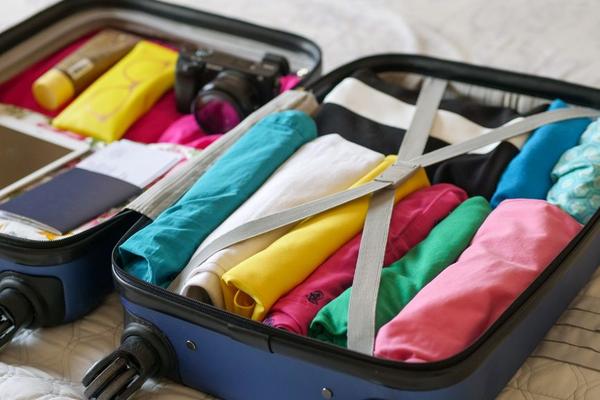
When you travel alone, every item in your bag is yours to carry, locate, and keep safe. That makes a thoughtful solo travel packing list more useful than a long catalogue of things you might need. The aim isn’t to prepare for every imaginable problem. It’s to bring the essentials, protect your most important belongings, and leave enough space to move comfortably through airports, stations, and unfamiliar streets.
Build Your Bag Around Three Priorities
Think in three groups: items you cannot easily replace, things you use every day, and optional comforts. Documents, medication, payment methods, and your phone belong in the first group. Clothes and toiletries are adjustable. Extra shoes and bulky gadgets are usually negotiable.
For most trips, a manageable suitcase or backpack plus a small personal bag works well. Check your airline’s actual size and weight allowances before following any carry-on packing list; allowances differ by carrier and fare. You should be able to lift and carry the main bag without help.
Documents, Money, and Must-Have Essentials
Your documents and access to money deserve more attention than another outfit. Keep these solo trip essentials in a secure, accessible place rather than at the bottom of your suitcase.
Pack your passport or accepted identification, any required visa or entry authorization, tickets, accommodation details, travel insurance information, and emergency contact numbers. For international travel, verify passport-validity and entry rules for every destination and transit point well before departure.
Carry a primary payment card, a backup card stored separately, and a modest amount of suitable cash. Save encrypted or otherwise securely stored digital copies of important documents, and consider a paper copy of your first night’s address in case your phone stops working.
Put essential prescription medication in your personal bag, preferably in its original labelled packaging. Check destination rules for controlled or restricted medicines and carry supporting documentation where required.
Clothing That Works Harder Than It Weighs
Packing for solo travel becomes simpler when most tops match most bottoms. Choose breathable layers suited to the forecast and local customs. For a typical week with laundry available, three or four tops, two bottoms, enough underwear and socks, sleepwear, and one versatile outer layer may be plenty. Adjust for activity and climate.
Wear the bulkiest comfortable shoes while travelling. Add one lighter pair only if your itinerary truly needs it, such as sandals for a warm destination or footwear for a specific activity. A compact rain layer often earns its space more readily than a second jacket.
Toiletries, Health, and Everyday Comfort
Keep toiletries compact: toothbrush, toothpaste, deodorant, sunscreen, skincare basics, personal hygiene products, and a small hairbrush or comb. Use leakproof containers and pack liquids where airport security can inspect them easily. Cabin liquid limits vary by airport and route, so check the departure and connecting airports rather than assuming one rule applies everywhere.
Add a small personal first-aid pouch with plasters, blister care, and any over-the-counter medicines you can legally carry and know how to use. A refillable water bottle, tissues, and a few snacks help when shops are closed or transport runs late. Empty the bottle before security if required.
Tech Worth the Space
Your phone can handle navigation, bookings, translation, and communication, so its charging setup is a priority. Bring a charging cable, suitable plug adapter, and a power bank that complies with your airline’s limits. The US Federal Aviation Administration requires spare lithium batteries and power banks in carry-on baggage, not checked bags; individual airlines and countries may have stricter restrictions.
Download offline maps, tickets, and key addresses before leaving home. If mobile data will be expensive or unreliable, arrange an appropriate SIM or eSIM and check whether your phone is compatible. A small set of wired or wireless headphones may be useful, but a tablet, laptop, camera, and multiple chargers aren’t automatic necessities.
Solo-Specific Safety Items and Habits
When no travel companion can watch your bag, organisation matters. Use a crossbody or other secure day bag, keep your phone and valuables close in crowded areas, and avoid storing all your money and identification in one pocket. A small luggage lock can deter casual interference, though it doesn’t make a bag theft-proof.
Share your itinerary and planned check-in times with someone you trust. Store emergency numbers locally, learn how to contact emergency services at your destination, and keep a backup route to your accommodation. These steps are more useful than carrying an entire collection of questionable self-defence gadgets, some of which may be illegal.
A practical companion to this checklist is a set of solo travel safety tips covering arrival times, transport choices, and staying connected.
What to Skip When Packing Alone
Leave behind full-size bottles when smaller quantities will do, several books you probably won’t read, expensive jewellery, duplicate gadgets, and outfits that work for only one unlikely event. Avoid bringing valuables purely because there’s room.
Don’t pack a large emergency kit for problems that ordinary local shops can solve, but make exceptions for essential medical needs or places with limited supplies. Also skip the idea that every item must be ultralight and expensive. A familiar, reliable bag is often better than new equipment you haven’t tested.
For a longer journey, plan a laundry stop rather than packing a fresh outfit for every day. A simple travel laundry routine can reduce your load more than another set of packing cubes.
Do a Solo Traveller’s Trial Run
Here’s a useful test: imagine arriving at a station after dark with a train ticket on your phone, a flight of stairs ahead, and no one available to hold your bags. Pack everything, then walk around your home, lift the bag onto a shelf, and retrieve your phone and documents with one hand free. If it’s awkward, remove items or reorganise.
Frequently Asked Questions
How much should I pack for my first solo trip?
Bring enough clothes for your planned activities and laundry schedule, not the full length of your trip. Start with identification, money, medication, weather-appropriate clothing, and charging essentials. Add optional items only if your bag remains comfortable to carry.
Is carry-on luggage enough for solo travel?
Often, yes, especially for city breaks or trips with laundry access. Carry-on only can make transfers easier and reduce waiting at baggage claim. Winter equipment, specialist gear, and longer remote trips may justify a checked bag.
What should stay in my personal bag?
Keep your identification, payment methods, important medication, phone, travel documents, a charging cable, and permitted power bank close to you. Include anything you would urgently need if your main bag were delayed or gate-checked.
Should I bring extra safety equipment?
Prioritise a secure bag, reliable communication, emergency contacts, and local awareness. Check laws before packing alarms, sprays, blades, or similar products; some are restricted or prohibited. Good planning is more dependable than unfamiliar equipment.
Pack for Freedom, Not Every Possibility
A good solo travel packing list gives you room to move, room for a small souvenir, and fewer things to worry about. Protect the essentials, choose versatile clothing, and test whether you can manage your luggage independently. The lighter burden is often the most useful thing you bring.