

New York rewards hungry travelers who look beyond the nearest restaurant to their hotel. A folded pizza slice, a bagel eaten on a park bench, and noodles in Queens can tell you more about the city than an expensive tasting menu. The trick is knowing which dishes are worth making time for and which neighborhoods fit together.
This New York City food guide focuses on memorable, approachable meals across the boroughs. Consider it a route through the city’s food traditions, not a ranking that pretends one restaurant can represent millions of New Yorkers.
Start with the classic New York bites
Pizza by the slice
A classic New York slice is broad, thin enough to fold, and usually served on a paper plate. Order plain cheese first; it lets you judge the crust, sauce, and balance without distractions. Neighborhood slice shops can be as satisfying as famous destinations. If you’re near Greenwich Village, Joe’s Pizza is a recognizable option.
Bagels, cream cheese, and lox
A good New York bagel has a chewy interior and substantial crust. Try one with scallion cream cheese or smoked salmon, often called lox on menus even when the preparation differs. Russ & Daughters is a historic Lower East Side stop for appetizing-shop traditions; neighborhood bagel counters offer an easier everyday breakfast.
Pastrami on rye
At an old-school Jewish deli, pastrami is piled high on rye bread, often with mustard and a pickle. Katz’s Delicatessen on Houston Street is the famous example, but one large sandwich can be shared if you’re saving room for other stops. Treat this as a meal rather than a snack.
Street-cart meals and everyday sandwiches
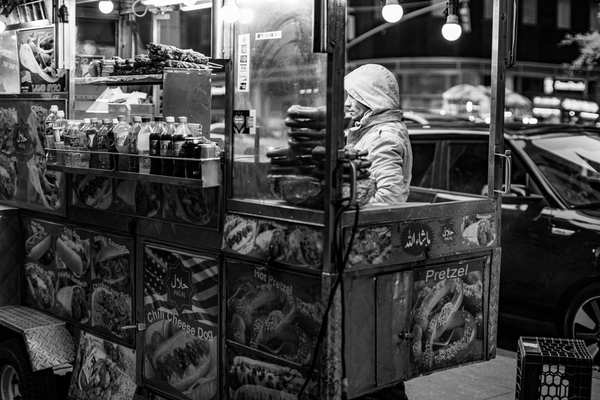
Chicken or lamb over rice with salad and sauce is part of modern New York local food culture. Cart quality and spice levels vary, so check the posted menu and ask about sauces. Another city-associated choice is chopped cheese: chopped ground beef, melted cheese, and toppings in a roll, found at bodegas, particularly in Upper Manhattan and the Bronx.
Choose neighborhoods for the food you want
Lower East Side and Chinatown: a downtown pairing
The Lower East Side works well for bagels, deli food, pickles, and bakeries. Walk south into Manhattan’s Chinatown for roast meats, dumplings, noodles, and Cantonese pastries. Rather than chasing one viral dish, compare small storefront menus around Mott Street. A shared dumpling order leaves space for a pineapple bun or egg tart.
Little Italy is close enough to include for an espresso or pastry, although its tourist blocks aren’t the city’s only places for Italian-American food. Keep the walk relaxed; rushing between five heavy meals rarely improves the experience.
Queens: the reason to leave Manhattan
For many visitors, the most exciting part of an NYC food guide is Queens. Jackson Heights offers South Asian, Nepali, Tibetan, and Latin American food within a walkable area. Look for momos, dosas, arepas, and fruit-based drinks. Around Roosevelt Avenue and 74th Street, a short stroll can introduce you to several communities.
Farther east, downtown Flushing is excellent for regional Chinese dishes, dumplings, noodles, and food-court grazing, alongside Korean and other Asian cuisines. Arrive hungry but without a rigid checklist. Menus and tenants change; a busy counter with a focused specialty may be more rewarding than a place repeatedly featured online.
Brooklyn and the Bronx: different food journeys
In Brooklyn, consider Sunset Park for Mexican food and Chinese restaurants, or Caribbean cooking in neighborhoods such as Flatbush and Crown Heights. Jerk chicken, patties, and roti are meaningful parts of the city’s dining story. Remember that a neighborhood is a community, not an attraction built for visitors.
The Bronx’s Arthur Avenue area is associated with Italian groceries, bakeries, fresh pasta, and specialty food shops. Browsing markets for ingredients can be as enjoyable as sitting down for a meal. It makes a distinctive half-day outing beyond Manhattan.
Sample several cuisines at New York food markets
Chelsea Market in the Meatpacking District is convenient when your group wants different cuisines without arranging separate meals. Combine it with a walk along the High Line. Expect a popular, busy setting rather than a hidden local secret.
Essex Market on the Lower East Side combines everyday food shopping with prepared dishes. It’s useful during a downtown food walk because you can browse instead of committing to another full restaurant meal. Individual vendors may keep different hours, so check current listings.
If your visit coincides with its season, the Queens Night Market near the New York Hall of Science showcases vendors selling foods from many traditions. It operates on scheduled Saturday evenings during parts of spring, summer, and autumn, not year-round. Check the official calendar before traveling there.
A realistic one-day eating route
Here’s an example for travelers staying in Manhattan. Start with a bagel and coffee on the Lower East Side. Around midday, share dumplings and a baked treat in Chinatown. Spend the afternoon sightseeing rather than squeezing in another huge lunch. Then take the subway to Jackson Heights for momos or a South Asian dinner.
This route works because each stop offers a different taste and the early stops are close together. Flushing deserves its own longer visit; combining every Queens neighborhood with downtown Manhattan in one afternoon creates a transit marathon. Other useful trip-planning reads include a New York City weekend itinerary, a Queens neighborhood food walk, and a Manhattan Chinatown eating guide.
How to eat well without overspending
Some of the best dishes in NYC are simple, but prices vary considerably. Counter-service meals, bakery breakfasts, lunch specials, and shared portions can stretch your budget. Check menus before joining queues, especially for specialty sandwiches or tourist-heavy food halls. Sales tax and tipping practices can affect the final bill, depending on the business and service.
Build each day around one destination meal and leave other stops flexible. A takeaway slice between museums can be more satisfying than a costly reservation squeezed into a packed schedule. Wear comfortable shoes and verify opening hours on the day you visit; even beloved independent businesses change schedules.
Frequently asked questions
What food is New York City most famous for?
Pizza slices, bagels, pastrami sandwiches, cheesecake, and street-cart chicken over rice are familiar favorites. The city’s identity also includes dishes brought and transformed by generations of immigrant communities.
Where should first-time visitors eat in NYC?
Try classics around the Lower East Side, browse Chinatown, and reserve at least one meal for Queens. These areas offer a broader experience than relying only on restaurants near Times Square.
Is New York street food worth trying?
Yes, especially at a busy, well-kept cart with clear pricing and freshly prepared food. Ask about ingredients or spice levels if you have dietary requirements.
Can you enjoy NYC food on a budget?
Absolutely. Mix bagel shops, pizza counters, neighborhood bakeries, and food halls with occasional sit-down meals. Sharing generous portions helps you taste more without buying more than you need.
Make the city your menu
A rewarding New York City food guide should encourage curiosity, not pressure you to visit every famous restaurant. Taste the recognizable classics, then use the subway to find something less familiar. Leave room for a spontaneous bakery stop or neighborhood recommendation.