

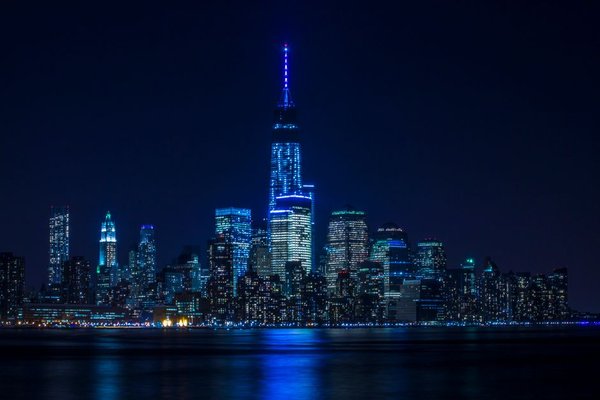
A city can look perfect in photos and still be awkward to explore alone. The difference often comes down to what happens between attractions: Can you get around without renting a car? Is there somewhere pleasant to eat by yourself? Can you fill an afternoon without joining a tour? The best cities for solo travelers in the USA make those everyday decisions easier. These seven destinations offer different combinations of walkability, public transit, interesting neighborhoods, and opportunities to meet people.
What Makes a City Good for Solo Travel?
Forget searching for a universally “safest” or “friendliest” city. Your experience depends on the neighborhood you choose, the time of year, and your interests. For short USA city breaks, prioritize central accommodation, reliable transport, and activities that are enjoyable without company.
There are trade-offs. A compact city may offer easy walking but fewer late-night connections. A sprawling destination might have outstanding attractions yet require more planning. The best solo friendly cities allow you to enjoy a full day within one manageable area.
Seven Great Cities for Traveling Alone
New York City: Best for Endless Choice
New York rewards independent travelers who enjoy spontaneous decisions. Spend a morning in Central Park, explore a museum, then catch a Broadway show without coordinating anyone else’s preferences. Subway connections make many popular neighborhoods accessible without a car.
The drawback is cost, particularly accommodation. Choose a hotel near a subway station rather than assuming a cheaper room far away will save money after long commutes. Food halls, cafés, and counter-service restaurants make solo dining comfortable.
Washington, DC: Best for Museums and Value
Washington is an approachable first solo trip because sightseeing has a natural rhythm. Much of the National Mall is walkable, and many Smithsonian museums offer free admission, although some require timed-entry passes. The Metro connects major visitor areas.
Plan one museum-heavy morning and an outdoor afternoon rather than attempting everything at once. Staying near a Metro station makes evening returns simpler. Summer heat and humidity can make long walks tiring, so build in breaks.
Chicago: Best for Architecture and Food
Chicago pairs big-city energy with memorable waterfront spaces. An architecture river cruise is especially good alone: it provides a structured experience and a shared topic of conversation. The lakefront, museums, and neighborhood restaurants round out the visit.
The CTA Blue Line connects O’Hare Airport and downtown. However, not every neighborhood is equally convenient by train. Check travel times before booking accommodation. Cold winters can also change how appealing a walking itinerary feels.
Boston: Best for History on Foot
Boston is ideal if you prefer shorter distances and a clear sightseeing route. The Freedom Trail connects historic sites, while Beacon Hill, the Public Garden, and waterfront areas offer enjoyable self-guided stops. Public transportation helps with journeys beyond the center.
A two- or three-day visit is manageable without a rental car. The catch is hotel pricing, especially during major events and busy autumn weekends. Historic streets can be uneven, so wear comfortable shoes.
Philadelphia: Best for a Focused Weekend
Philadelphia offers history, culture, and food without an overwhelming schedule. Center City and the historic district reward walking, while SEPTA’s Airport Line connects the airport with central Philadelphia.
Base yourself near the attractions you want to explore. A weekend could include Independence National Historical Park, Reading Terminal Market, and an art museum. Check individual opening days and admission arrangements rather than assuming all historic sites follow the same schedule.
Seattle: Best for Coffee, Markets, and Scenery
Seattle suits travelers who enjoy browsing bookstores, trying cafés, and taking scenic breaks. Pike Place Market and the waterfront provide easy solo activities. Link light rail connects Seattle–Tacoma International Airport with downtown, simplifying arrival.
The city’s hills and spread-out attractions make neighborhood selection important. Staying near reliable transit can save time and rideshare costs. Bring a weatherproof layer and keep outdoor plans flexible.
San Francisco: Best for Distinctive Neighborhoods
San Francisco offers waterfront views, parks, independent shops, and neighborhoods with distinct personalities. Muni buses and trains help connect sightseeing areas, but steep hills can turn a short-looking walk into a workout.
Choose accommodation for transit access and planned activities, not just its nightly rate. Check your return journey before staying out late. For a relaxed day, combine one neighborhood walk with a museum or guided tour instead of racing between distant landmarks.
Which City Fits Your Travel Style?
For a first trip, Washington, DC and Boston offer straightforward sightseeing. New York is strongest for maximum choice and entertainment. Chicago delivers architecture and food; Philadelphia makes a compact weekend; Seattle appeals to café-and-nature enthusiasts; and San Francisco rewards travelers happy to navigate hills.
Budget depends on dates as much as destination. Compare total costs, including hotel, airport transfer, attractions, and transport. Free museums in DC could offset a higher room rate. A cheap room outside another city might mean expensive rideshares. For more preparation, explore a first-time solo travel checklist before booking.
A Practical First-Day Plan
Build your arrival day around one transit line and one walkable neighborhood. In Chicago, for example, take the Blue Line from O’Hare toward downtown, leave your luggage at your accommodation, walk along the river, and join an architecture cruise. That is a memorable day without a rental car or an exhausting checklist.
Save an offline map, confirm check-in arrangements, and identify a realistic route back at night. Share your itinerary with someone you trust. To meet people, try a daytime walking tour, food tour, or class. A solo travel safety guide can help you prepare without turning the trip into a series of worries.
Frequently Asked Questions
What is the best US city for a first-time solo traveler?
Washington, DC is especially approachable thanks to its concentrated attractions, Metro network, and many free museums. Boston is another good choice for a history-focused, walkable visit.
Can I explore these cities without a car?
Yes, particularly when staying centrally. All seven have useful public transportation, although coverage and late-night frequency vary. Check specific routes and schedules before booking.
Where is it easiest to meet people?
New York and Chicago offer plentiful classes, tours, and group experiences. Meeting people is never guaranteed, but a scheduled activity makes conversation easier than approaching strangers without a shared interest.
How long should a solo city break last?
Two or three full days suit a focused Philadelphia or Boston trip. Allow four or more for New York or for Seattle and San Francisco visits involving excursions. Keep some time unplanned.
Final Thoughts
The right destination is not necessarily the biggest or most famous. Choose a city where your favorite activities connect easily from a comfortable base. When transit, walkability, and your interests line up, traveling alone feels less like a logistical challenge and more like freedom.