

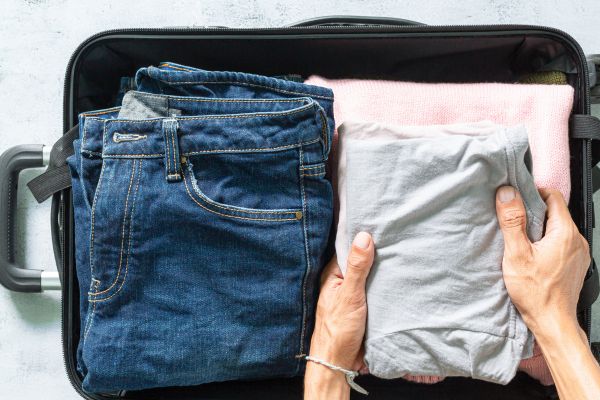
Packing for a trip sounds simple until you actually start deciding what to wear. Shoes take up too much space, jackets depend on the weather, and shirts somehow wrinkle the moment they touch a suitcase. But pants tend to become the real challenge. A single uncomfortable pair can turn a long flight, crowded train ride, or all-day walking tour into an exhausting experience.
That’s why conversations around the best travel pants have become surprisingly serious among frequent travelers. The right pair is not just about style anymore. Travelers now look for comfort, flexibility, durability, and practicality all at once. Ideally, travel pants should handle changing temperatures, unexpected weather, hours of movement, and even the occasional airport sprint without looking sloppy by the end of the day.
The good news is that travel clothing has improved dramatically over the years. Designers are finally recognizing that people want clothing that performs well without making them look like they’re heading into the wilderness for a week-long expedition.
Modern travel pants now sit somewhere between activewear, casual fashion, and functional outdoor gear, and that balance is exactly what makes them so useful.
Why Travel Pants Matter More Than Most People Realize
Most people only think about travel pants after wearing the wrong pair. Maybe it was stiff denim during a ten-hour flight or heavy fabric in humid weather that suddenly felt unbearable halfway through the day.
Travel changes the way clothing feels because movement becomes constant. Sitting for long periods, walking unfamiliar streets, climbing stairs with luggage, or adjusting to temperature shifts all put extra demands on clothing.
Pants that feel perfectly fine during everyday routines at home can quickly become frustrating on the road.
This is why experienced travelers often prioritize comfort before almost everything else. But comfort alone is not enough. Nobody wants pants that look overly technical or awkward in everyday settings. The best travel pants manage to blend comfort with versatility so they can transition naturally between airports, cafés, city walks, and casual dinners.
That flexibility matters more than people sometimes expect.
Fabric Has Become the Most Important Feature
One of the biggest changes in travel clothing has been fabric technology. Traditional cotton still feels soft and familiar, but it tends to absorb moisture, wrinkle easily, and dry slowly. Those issues become obvious when traveling through humid climates or living out of a suitcase for days at a time.
Modern travel pants often rely on blended fabrics that include nylon, polyester, elastane, or spandex. These materials create stretch, reduce wrinkles, and improve breathability without sacrificing appearance.
Lightweight stretch fabrics are especially popular because they allow movement without feeling restrictive. Sitting through long flights becomes easier when fabric moves naturally with the body rather than tightening around the knees and waist.
Quick-drying materials also make a noticeable difference during travel. A sudden rainstorm or hand-washed laundry in a hotel sink becomes far less stressful when pants dry overnight instead of staying damp for an entire day.
At the same time, travelers increasingly want fabrics that feel natural rather than overly synthetic. Many brands are trying to strike that balance by combining performance materials with softer textures that resemble everyday casual clothing.
The Rise of Versatile Minimalist Design
The best travel pants today often look surprisingly simple. Loud cargo pockets and overly technical designs have gradually become less common, especially among travelers who prefer minimalist packing strategies.
People want clothing that works across multiple situations without drawing attention to itself.
A clean, tapered pair of travel pants can easily work for sightseeing during the day and a relaxed dinner later in the evening. That versatility matters because travelers increasingly prefer packing fewer items while maximizing outfit combinations.
Neutral colors like black, navy, olive, gray, and beige remain especially popular because they pair easily with different shirts, jackets, and shoes.
Interestingly, the growing popularity of remote work and digital nomad lifestyles has also influenced travel clothing trends. More travelers now want pants that feel comfortable enough for long flights but polished enough for casual coworking spaces or video calls.
The line between travel wear and everyday fashion keeps becoming thinner.
Comfort During Long Flights and Transit Days
Airports have a way of testing clothing patience. Long security lines, cramped airplane seats, delayed flights, and changing cabin temperatures can make even small discomforts feel amplified.
This is where the best travel pants separate themselves from ordinary casual clothing.
Stretch waistbands, breathable fabric, and lightweight construction become incredibly important during transit days. Pants that restrict movement or trap heat quickly become exhausting after several hours.
Many travelers have quietly abandoned traditional jeans for this reason. Denim still works for certain trips, but stiff jeans can feel heavy and uncomfortable during extended travel. Modern travel pants often provide similar style versatility while being noticeably easier to wear for long periods.
Some travelers also prioritize hidden security features such as zippered pockets or interior passport compartments. These details are subtle, but they can provide peace of mind in crowded airports or busy tourist areas.
Comfort and practicality tend to matter more with every additional hour spent in transit.
Weather Adaptability Has Become Essential
Travel rarely stays predictable. A day that begins cool and cloudy may end in intense afternoon heat or sudden rain. This unpredictability has increased demand for adaptable clothing that works across changing conditions.
The best travel pants often include moisture-wicking properties, UV protection, or water resistance without feeling bulky or heavy. These features help travelers stay comfortable without constantly changing outfits.
Lightweight pants are especially useful in warmer climates where thick fabric quickly becomes uncomfortable. Meanwhile, slightly heavier stretch materials work better in cooler destinations without requiring additional layers.
Convertible travel pants, once associated mostly with hiking gear, still exist but have become more refined in appearance. Some travelers appreciate their practicality, while others prefer cleaner silhouettes that feel less outdoors-focused.
Ultimately, adaptability matters because travelers rarely want to pack separate wardrobes for every weather condition they might encounter.
Style Is No Longer Secondary
There was a time when functional travel clothing often sacrificed appearance entirely. Practicality came first, while style felt almost irrelevant. Fortunately, that attitude has shifted considerably.
Today’s travelers generally expect both.
The best travel pants now aim to look polished enough for urban settings while maintaining comfort and flexibility underneath. Tailored joggers, slim-fit performance chinos, and modern technical trousers have become increasingly common because they bridge that gap successfully.
This shift reflects broader fashion trends where comfort-driven clothing has become more socially accepted in everyday life. People want clothing that feels relaxed without appearing careless.
Travel photography and social media have also played a subtle role in this evolution. Travelers increasingly think about how clothing appears in photos, especially during longer trips where outfits repeat frequently.
But beyond appearances, feeling comfortable in what you wear affects confidence during travel. Clothing that fits naturally into different environments allows travelers to focus more on experiences rather than constant physical discomfort.
Sustainability and Long-Term Durability
Another growing conversation around travel clothing involves sustainability. Fast fashion and disposable clothing habits have led many travelers to reconsider how they shop for essentials like pants.
Instead of buying several inexpensive pairs that wear out quickly, more people are investing in durable clothing designed to last across years of travel.
Durability matters because travel clothing experiences heavy use. Pants may be worn repeatedly without frequent washing, packed tightly into luggage, or exposed to different climates within short periods.
Well-constructed travel pants tend to maintain shape, resist wrinkles, and handle repeated use better than standard casual clothing.
At the same time, some brands are exploring recycled materials and environmentally conscious manufacturing processes. While sustainability alone may not drive purchasing decisions for everyone, it has become part of the broader conversation surrounding modern travel gear.
Finding the Right Balance for Personal Travel Style
There is no universal answer when it comes to the best travel pants because travel itself looks different for everyone. Someone backpacking through multiple countries may prioritize lightweight durability, while another traveler visiting major cities may care more about appearance and versatility.
Personal comfort also varies widely. Some people prefer relaxed fits for movement, while others feel more comfortable in structured silhouettes.
What matters most is balance.
Good travel pants should feel easy to wear without constantly demanding attention. They should support movement, adapt to changing situations, and still feel appropriate in different environments. The best pairs quietly become dependable pieces travelers reach for repeatedly without overthinking.
That reliability becomes surprisingly valuable on the road.
Conclusion
The search for the best travel pants reflects something larger than fashion alone. Travel places unique demands on clothing, requiring comfort, practicality, adaptability, and style to work together in ways everyday clothing sometimes cannot.
Modern travel pants have evolved far beyond bulky outdoor gear or stiff casual wear. Lightweight fabrics, stretch construction, wrinkle resistance, and versatile design have transformed them into essential pieces for both frequent travelers and occasional vacationers.
At the same time, personal preference still matters more than trends. The right pair depends on how someone travels, where they go, and what makes them feel comfortable throughout the journey.