

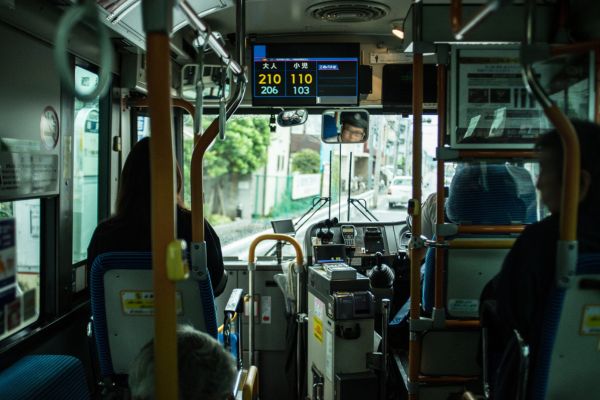
There’s a quiet moment that happens in almost every big city—right before you board your first bus, train, or tram. You pause, unsure whether you need coins, a ticket, or an app. Then someone taps a small card, the gate opens instantly, and they disappear into the flow of commuters.
That small card is often the key to navigating modern cities. In this guide, city transport cards explained becomes less of a mystery and more of a practical tool you’ll understand—and maybe even appreciate.
What city transport cards actually are
At their core, city transport cards are prepaid or reloadable cards used to pay for public transportation. Instead of buying a separate ticket for every ride, you load money or travel passes onto a single card and use it across buses, trains, metros, and sometimes even ferries.
Most of these cards rely on contactless technology. You simply tap the card on a reader when entering or exiting a station or vehicle. The system calculates your fare automatically, deducting the correct amount without requiring any extra thought from you.
It’s simple, yes—but behind that simplicity is a system designed to make cities move more efficiently.
How the system works behind the scenes
When you tap your card, a few things happen in seconds. The reader identifies your card, checks your balance or pass validity, and logs your journey. In some cities, you tap once when you enter. In others, you tap again when you exit so the system can calculate distance-based fares.
The balance stored on your card can be either:
Stored value, where money is deducted per trip
Or travel passes, which allow unlimited rides for a fixed time
Some systems even combine both. You might have a weekly pass but still keep extra credit for trips outside your usual zones.
The clever part is that the system remembers your travel patterns. In certain cities, it automatically caps your daily or weekly spending so you never pay more than necessary. You just tap and go—the system does the rest.
The different types of city transport cards
Not all cards are built the same, and understanding the types can make your travel smoother.
Some cities offer anonymous cards. These are easy to buy and use without registration. They’re ideal for tourists or short-term visitors who just want something quick and simple.
Others provide personalized cards linked to your name. These often come with benefits like discounts for students, seniors, or frequent commuters. If lost, they can be replaced with your balance intact.
Then there are hybrid systems. You might use a physical card, but also link it to a mobile app or digital wallet. In many places now, your phone can act as your transport card, making the physical version optional.
Why cities rely on transport cards
It’s not just about convenience for passengers. Transport cards are a big part of how cities manage their transit systems.
They reduce the need for cash handling, which speeds up boarding times and lowers operational costs. They also provide valuable data—anonymous, but useful—about travel patterns. This helps planners adjust routes, improve schedules, and respond to demand.
For commuters, the benefit is immediate. No waiting in line for tickets, no scrambling for change, and no confusion about pricing.
For cities, it’s about flow. A smoother system means fewer delays and more predictable movement.
Understanding fares and zones
One of the trickiest parts of using public transport is figuring out how much a journey costs. City transport cards simplify this, but it helps to understand the basics.
Many cities divide their networks into zones. The farther you travel, the more zones you cross, and the higher the fare. Your card automatically calculates this based on where you tap in and out.
Other systems use flat fares, where every ride costs the same regardless of distance. These are easier to understand but less flexible.
Some cities combine both approaches, adding peak and off-peak pricing or daily caps. It can sound complicated on paper, but in practice, the card handles it all quietly in the background.
Reloading and managing your card
Keeping your card topped up is part of the routine. Fortunately, most systems make it easy.
You can usually reload at stations, convenience stores, or online. Many cards support automatic top-ups, where your balance is replenished when it drops below a certain level.
Some cities offer apps that let you check your balance, view travel history, and manage passes. It’s a small detail, but it makes a difference—especially if you rely on public transport daily.
There’s also a certain rhythm to it. Regular commuters often know exactly when they need to reload, almost without thinking.
The experience of using one
There’s something satisfying about tapping a card and moving forward without interruption. It’s a small interaction, but it changes how you experience a city.
You stop thinking about tickets. You stop planning every ride in advance. Instead, you move more freely, hopping on and off as needed.
Visitors often notice this shift quickly. What starts as a confusing system becomes second nature within a day or two. By the end of the trip, the card feels less like a tool and more like a companion.
Common mistakes and how to avoid them
Even with a simple system, there are a few things that can catch people off guard.
Forgetting to tap out is a common one in distance-based systems. This can result in being charged the maximum fare. It’s a small oversight with a noticeable cost.
Another is running out of balance mid-journey. Some systems allow you to exit but block further travel until you reload. Others may charge penalties.
Using the wrong type of card can also be an issue. A short-term visitor might accidentally buy a personalized card when a simpler option would have worked better.
These aren’t major problems, but they’re reminders that every city has its own rhythm—and it takes a little time to learn it.
How transport cards fit into modern cities
City transport cards are evolving. They’re no longer just pieces of plastic with stored value.
In many places, they’re part of a larger ecosystem. You might use the same card for bike-sharing, parking, or even small retail purchases. Some systems are moving toward open payments, where your bank card or smartphone replaces the traditional transport card entirely.
Still, the core idea remains the same: make movement easier.
As cities grow and change, these cards adapt quietly in the background, keeping pace with new technologies and shifting needs.
The subtle benefits you don’t notice at first
Beyond convenience, there’s a psychological shift that comes with using a transport card.
You feel more connected to the city. You navigate with more confidence. You’re less hesitant to explore unfamiliar routes or neighborhoods.
It’s not just about saving time—it’s about reducing friction. And in a busy urban environment, that matters more than it might seem.
Over time, the card becomes part of your routine. You tap without thinking, move without pausing, and trust the system to handle the details.
Conclusion: a small card with a big role
Understanding city transport cards explained isn’t just about knowing how they work. It’s about recognizing the role they play in shaping everyday movement.
They simplify travel, reduce stress, and quietly support the flow of millions of journeys each day. What looks like a simple tap is actually part of a much larger system designed to keep cities moving.
And once you get used to it, it’s hard to imagine going back to anything else.