

Packing for a trip with children is about having the right things available at the right moment. A missing swimsuit is inconvenient; a forgotten prescription, passport, or change of clothes can derail the day. This family travel packing list works for flights, road trips, cruises, and resort stays. Start with the essentials below, then adjust for each child’s age, your destination, and how you will travel.
Start With a Simple Family Packing Plan
Check the weather, laundry access, accommodation amenities, baggage allowances, and activities before opening a suitcase. A rental with a washing machine needs fewer outfits than a hotel without laundry. Ask whether your accommodation provides a crib, towels, or a hair dryer so you do not carry unnecessary duplicates.
Give each traveler a clothing section, then create shared groups for toiletries, first aid, snacks, and electronics. Keep travel documents and anything needed during the journey separate from checked luggage. A family vacation planning checklist can help you handle bookings and paperwork before packing begins.
Family Travel Packing List: The Core Essentials
Documents, Money, and Important Information
Pack passports or other required identification, visas where applicable, tickets, reservation details, insurance information, payment cards, and emergency contacts. Children may need their own travel documents; confirm entry rules and any consent documentation well before departure. Save offline copies of key bookings and keep backup contact details accessible without your phone. Put documents in a water-resistant pouch that one adult can reach quickly.
Clothing and Footwear for Everyone
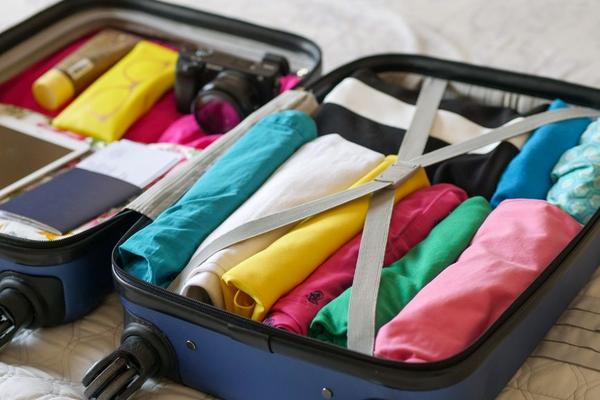
Plan outfits around weather and activities rather than packing random favorites. Include underwear, socks, sleepwear, comfortable walking shoes, outerwear, and swimwear if needed. Add hats, sunglasses, and layers for changing temperatures. A laundry bag keeps dirty clothes separate.
For young children, add spare outfits for spills or accidents. An easy rule for vacation packing is to lay everything out first, then remove pieces that serve no specific purpose. Coordinating colors makes a smaller set of clothes work in more combinations.
Toiletries, Hygiene, and Health Supplies
Bring toothbrushes, toothpaste, shampoo, soap, deodorant, hair care items, moisturizer, sunscreen, tissues, and personal hygiene products. Include diapers, wipes, diaper cream, or toilet-training supplies where relevant. Refillable travel-size containers reduce clutter, but check the security rules for liquids on your route.
Pack prescription medicines in accessible luggage, ideally with original labels, plus necessary medical documentation. Consider a basic first-aid kit with bandages, a thermometer, and age-appropriate medicines recommended by your healthcare professional. Confirm medication rules for international destinations, and avoid assuming children’s doses are interchangeable with adult doses.
Electronics and Small Comfort Items
Check off phones, charging cables, plug adapters, headphones, and a power bank where permitted. Download maps and entertainment before leaving reliable internet. A familiar stuffed animal or bedtime book can help a child settle in unfamiliar surroundings.
A Kids Packing List That Changes With Age
Babies and Toddlers
Calculate diapers and wipes for the journey, then add a buffer for delays. Include feeding supplies, formula or expressed milk if used, bibs, burp cloths, a changing mat, spare clothing, and a safe sleep arrangement. Check airline rules for infant feeding supplies before flying. If you bring a stroller or car seat, verify transport policies and whether the restraint is suitable for the vehicle or aircraft.
For example, on a six-hour travel day with a toddler, place two complete outfit changes, wipes, snacks, and a sealed bag for wet clothes in the carry-on. That is more useful than packing several extra outfits deep inside the main suitcase.
Preschoolers and School-Age Kids
Let children choose a few quiet activities, such as coloring materials, a paperback, or a puzzle. Pack snacks and a refillable water bottle that can be filled after airport security where allowed. Older children can use a simple kids packing list to check clothes and toiletries, but an adult should confirm medicines, documents, and safety items.
What Belongs in the Carry-On or Day Bag?
Your day bag should cover the time before you can access your suitcase, including unexpected delays. Keep identification, travel documents, medication, baby feeding supplies, valuables, a change of clothes for a small child, wipes, snacks, and entertainment close at hand. An extra shirt for a parent helps when traveling with an infant.
Group items in separate pouches for documents, food, hygiene, and activities. At a checkpoint or roadside stop, you can retrieve what you need without unpacking the entire bag. Follow your carrier’s restrictions on liquids, batteries, and bag sizes.
Adjust the Checklist to Your Type of Trip
Flights and Airport Days
Prioritize easy-to-reach snacks, comfort items, headphones, and layers for cool cabins. Check stroller and car-seat arrangements in advance. For young children with their own aircraft seat, an approved child restraint is safer than holding them on a lap; confirm certification and airline requirements.
Road Trips
Keep water, mess-friendly snacks, a trash bag, wipes, sun protection, and a change of clothes within reach. Plan regular stops and secure luggage so it cannot become a hazard. A family road trip checklist can help you prepare the vehicle as well as the passengers.
Cruises, Resorts, and Beach Holidays
Bring swimwear, sandals, sun hats, sunscreen, and any required dressier clothing. Keep essential medicines and a first-day outfit in hand luggage, because your main bag may not be immediately available. Check whether beach towels, flotation equipment, or toiletries are supplied rather than automatically packing them.
Make Packing Easier the Night Before
Use one final walk-through: each person’s clothes, shared hygiene supplies, documents, medicines, chargers, and journey-day essentials. Charge devices, download entertainment, and place morning-use toiletries on a reminder. Keep the day bag by the door but do not pack medications or documents so early that you forget them.
For longer trips, a printable travel packing checklist lets everyone tick off belongings without repeatedly asking one parent what comes next.
Frequently Asked Questions
How many outfits should I pack for each child?
Base the number on trip length, weather, laundry access, and the child’s age. Babies and toddlers usually need more backups than older kids. Pack enough for the time between laundry opportunities plus a spare outfit.
What are the most important family trip essentials?
Documents, medicines, weather-appropriate clothing, hygiene supplies, required baby items, payment methods, and a well-stocked day bag come first. Toys and extras are useful, but should not crowd out essentials.
How do I avoid overpacking for a family vacation?
Check what your accommodation supplies, plan mix-and-match outfits, share toiletries when appropriate, and limit toys to a few favorites. Make a separate list of items you can buy at your destination if necessary.
What should never go in checked luggage?
Keep passports, essential medicines, valuables, and anything needed during the journey with you, subject to airline security rules. Important baby feeding supplies and a child outfit change also belong in an accessible bag.
Ready to Go
The best family travel packing list is one you can adapt rather than follow blindly. Cover the nonnegotiables first, add age-specific needs, and tailor the rest to the journey. With the essentials organized and a day bag ready, your family can spend less time searching through luggage and more time enjoying the trip.