

Why Food Matters In Responsible Travel
Travel is often remembered through taste before anything else. A bowl of soup eaten after a long train ride, bread still warm from a village bakery, fruit bought from a market stall where no one speaks your language but everyone understands a smile. Food has a way of making a place feel real. It brings the landscape, climate, history, and daily life of a destination to the table.
That is why local food and sustainable tourism are so closely connected. Sustainable travel is not only about choosing greener transport or reducing plastic waste, though those things matter. It is also about where money goes, how communities benefit, and whether visitors leave a place more respected than exploited. Food sits right in the middle of that conversation.
When travelers choose local food, they often support farmers, fishers, bakers, cooks, market vendors, and small family-run restaurants. They also reduce the distance food travels, discover seasonal ingredients, and take part in traditions that may have existed for generations. In a quiet but powerful way, eating locally can turn an ordinary meal into a responsible travel choice.
The Link Between Local Food And Sustainable Tourism
Local food and sustainable tourism work together because both are rooted in place. Sustainable tourism asks travelers to think beyond sightseeing and consider the environmental, cultural, and economic impact of their choices. Local food does the same, but through something simple and daily: eating.
Imported food, heavily packaged snacks, and international chain restaurants can make destinations feel strangely similar. You could be anywhere. Local meals, on the other hand, tell you exactly where you are. They reflect the soil, the seasons, the nearby coast or mountains, the migration stories, the religious customs, and the creativity of people who have learned to cook with what is available.
This does not mean every meal has to be deeply meaningful. Sometimes lunch is just lunch. But when travelers make a habit of choosing local dishes and locally owned places, the impact adds up. Money stays closer to the community. Small producers gain a stronger reason to keep traditional crops, recipes, and food skills alive. Visitors get a richer experience, and destinations become less dependent on mass tourism models that often benefit outside companies more than local people.
Eating With The Seasons
One of the easiest ways to travel more sustainably is to notice what is in season. Seasonal food usually requires fewer artificial growing conditions, less long-distance transport, and less storage. It also tends to taste better, which is not a small thing.
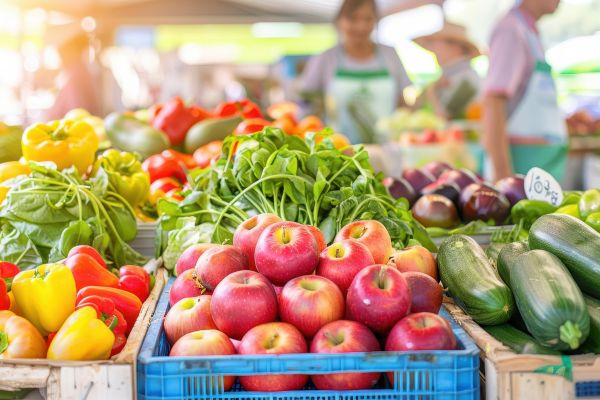
In many places, markets reveal the season more honestly than any guidebook. Piles of citrus in winter, tomatoes in summer, mushrooms after rain, olives during harvest, mangoes at their peak, or fresh herbs bundled in the morning. These details give travelers a closer relationship with the destination. You begin to understand not just what people eat, but when and why.
Seasonal eating also encourages patience. Instead of expecting every ingredient to be available everywhere, the traveler adapts to the place. That small shift matters. Sustainable travel is partly about letting a destination be itself rather than demanding that it match our habits from home.
Markets As Cultural Gateways
Local markets are often the heart of a food culture. They are noisy, practical, colorful, and wonderfully unscripted. Unlike curated tourist experiences, markets show everyday life in motion. People bargain, compare produce, greet familiar sellers, choose spices, buy fish, taste cheese, or carry home vegetables for dinner.
For travelers interested in local food and sustainable tourism, markets are a natural starting point. Buying from market vendors can support small-scale producers and reduce reliance on heavily packaged foods. It also gives visitors a chance to learn with humility. You may discover unfamiliar fruits, regional breads, preserved vegetables, handmade noodles, or grains you have never cooked with before.
The key is to move respectfully. Markets are working spaces, not stage sets. Ask before photographing people. Do not block stalls for long periods. Learn a few basic food words in the local language if possible. Even awkward attempts are often appreciated. A market visit is not only about what you buy; it is about how you show up.
Small Restaurants And Family Kitchens
Large tourism areas often push the same menus toward visitors: safe, translated, predictable. There is nothing wrong with needing comfort food now and then, especially during a long trip. But some of the most memorable meals happen in small restaurants where the menu is short because the kitchen is cooking what it knows best.
Family-run eateries, street food stalls, farm kitchens, and neighborhood cafes can offer a more direct connection to local food systems. The ingredients may come from nearby farms, fishing boats, bakeries, or markets. The recipes may be shaped by family memory rather than trend. These places often reveal the character of a destination in a way polished dining rooms cannot.
Choosing them also supports a more balanced tourism economy. When visitors spend only in large international chains or all-inclusive resorts, local communities may see limited benefit. Eating at local establishments helps distribute tourism income more widely. It keeps money moving through the people who actually live there.
Food Miles And The Environmental Side Of The Plate
The phrase “food miles” refers to the distance food travels before reaching the plate. While food sustainability is more complex than distance alone, transport still matters, especially when ingredients are flown across continents to satisfy tourist expectations.
Local food can reduce unnecessary transport, packaging, and refrigeration. It can also encourage agricultural diversity. When restaurants and travelers value regional ingredients, farmers may have more incentive to grow traditional crops instead of switching entirely to export-focused production.
Still, sustainable eating requires nuance. A local ingredient is not automatically ethical, and an imported one is not always harmful. Water use, farming methods, labor conditions, and waste all matter too. But as a general travel habit, choosing fresh, regional, minimally packaged food is a practical step toward lowering environmental impact.
Respecting Food Traditions Without Turning Them Into Performance
Food tourism can be beautiful, but it can also become extractive when travelers treat traditions like entertainment. A dish is not just something to photograph. It may be tied to religion, family rituals, colonial history, harvest cycles, poverty, celebration, or survival.
Responsible travelers approach food with curiosity and respect. They ask questions without demanding simplified answers. They try unfamiliar dishes without mocking textures, smells, or customs. They understand that not every food tradition exists for tourist approval.
This is especially important with Indigenous and rural food cultures. When handled well, food experiences can help preserve knowledge and create income. When handled poorly, they can flatten complex traditions into a quick performance. The difference often comes down to who controls the story, who earns from it, and whether the experience is offered on the community’s terms.
Reducing Waste While Traveling
Food waste is a major issue in tourism. Buffets, oversized portions, hotel breakfasts, and the habit of ordering too much “just to try” can create unnecessary waste. Sustainable travel asks for a little more awareness.
Ordering thoughtfully is a good place to start. Share dishes when portions are large. Take leftovers if it is culturally acceptable and practical. Avoid piling plates at buffets with food you may not finish. Carry a reusable container for snacks or market purchases if it fits your style of travel.
Waste reduction also includes choosing foods with less packaging. Fresh fruit from a market, pastries wrapped in paper, or meals served on reusable plates are usually better choices than layers of single-use plastic. These may seem like tiny actions, but travel is made of tiny actions repeated day after day.
Learning Through Cooking And Conversation
One of the richest ways to understand a destination is to cook with someone who lives there. Cooking classes, farm visits, home meals, and community food tours can deepen the connection between local food and sustainable tourism, especially when they are locally led and fairly paid.
A good food experience does more than teach a recipe. It explains ingredients, family habits, regional differences, and the little adjustments people make at home. You learn why a dish is cooked slowly, why a spice is toasted first, why rice is washed a certain way, or why a festival meal appears only once a year.
These moments create a different kind of memory. You are not just consuming a destination; you are listening to it. And sometimes, long after the trip is over, you carry that lesson back into your own kitchen.
Finding Balance As A Traveler
No traveler eats perfectly all the time. Flights get delayed. Markets close. Children get tired. Sometimes the only available meal is fast, packaged, or familiar. Sustainable travel should not become a performance of purity. It works better as a steady direction.
The goal is to make thoughtful choices when you can. Choose the local breakfast instead of the imported one. Try the regional dish. Buy fruit from a stall. Drink local tea. Visit the bakery around the corner. Ask what is fresh today. Eat what the season offers. These choices are simple, but they bring travel closer to the people and places that make it meaningful.
A More Meaningful Way To Taste The World
Local food and sustainable tourism remind us that travel is not separate from everyday life. Every meal has a source, a maker, a landscape, and a story behind it. When travelers pay attention to those connections, food becomes more than a pleasant part of the journey. It becomes a way to support communities, reduce impact, and experience places with greater honesty.
To eat locally is to slow down a little. It is to notice the market before the monument, the family recipe before the famous attraction, the seasonal ingredient before the imported luxury. That kind of travel may feel quieter, but it often stays with us longer. In the end, sustainable tourism is not only about leaving a lighter footprint. It is also about arriving with a fuller sense of respect, appetite, and care.