

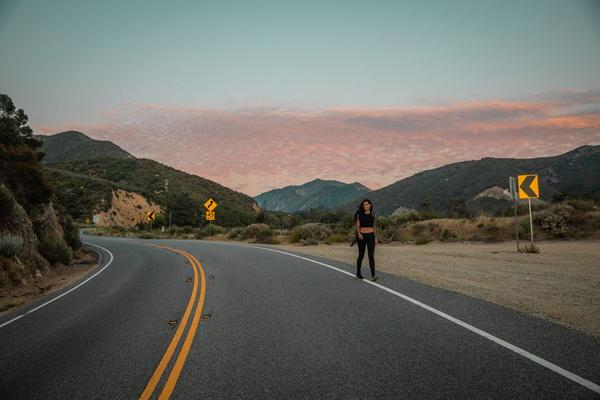
Solo travel in the United States can feel remarkably freeing: you choose the route, set the pace and change plans without negotiating with anyone else. The same independence also means that every decision—from where you stay to when you refuel—rests with you. Good solo trip safety is not about expecting danger around every corner. It is about building enough layers into your plans that one mistake, delay or dead phone does not become a crisis.
The USA is vast, and conditions can change sharply between a busy city centre, a rural interstate, a desert park and a coastal trail. The most useful solo travel precautions are therefore practical, adaptable and specific to the place you are visiting.
Research the Neighbourhood, Not Just the Destination
A city may be visitor-friendly while individual neighbourhoods differ in transport access, lighting and late-night activity. Before booking, check the exact location of your accommodation, recent guest reviews and the route between the property and the places you expect to visit. Consider how the area functions after dark, not only during daytime sightseeing hours.
Safe solo travel destinations are not defined by a single ranking. Walkability, reliable public transport, staffed accommodation and nearby food options often matter more than a city’s general reputation.
Share a Useful Itinerary
Give one trusted person your accommodation details, transport bookings and a rough daily plan. Agree on a realistic check-in routine, such as a message each evening, and make sure your contact knows when to escalate concern.
For an outdoor trip, include the trail name, starting point, expected return time and vehicle details. The National Park Service recommends leaving a trip plan with a trusted contact and updating that person if your route changes. This matters when traveling alone safely in areas with limited mobile coverage.
Protect Your Phone, Money and Identification
Your phone may hold maps, tickets and emergency contacts, so treat battery life as a safety resource. Carry a power bank, download offline maps and write down your accommodation address. Keep emergency contacts accessible even if the screen is locked.
Split payment methods instead of storing everything in one wallet. Carry one bank card and a little cash, while keeping a backup card separately. Store a secure digital copy of important identification without leaving passport images openly visible in your gallery.
Adults flying within the United States need identification accepted by the Transportation Security Administration. Since May 7, 2025, a non-REAL-ID-compliant state licence is not accepted at airport checkpoints unless another approved form of ID, such as a passport, is presented.
Use Transport With a Clear Exit Plan
When using a rideshare, verify the vehicle, licence plate and driver before entering. Sit in the rear seat when practical, follow the route on your phone and share trip status through the app. Do not announce that nobody is expecting you or that you are unfamiliar with the city.
On public transport, wait in populated, well-lit areas and move carriages or get off at a staffed stop if another passenger makes you uncomfortable. When driving, refuel before long rural stretches and avoid leaving valuables visible. A full tank, charged phone and downloaded route can prevent an ordinary detour from becoming stressful.
Choose Accommodation That Supports Solo Travel
Consider front-desk hours, entrance security, parking location, recent reviews and the walk from transport. On arrival, check that doors and windows lock properly and locate the nearest exit.
Avoid saying your room number aloud in a crowded lobby. Do not open the door to an unexpected visitor without confirming their identity with reception. If the room or surrounding area feels wrong, request a change or leave.
Keep Boundaries Simple and Firm
Solo travellers often meet generous people, but friendliness does not require sharing personal details. Be vague about where you are staying, how long you will be alone or where you are going next. Trust discomfort early instead of waiting for proof that someone has bad intentions.
Use short responses when declining attention: “No, thank you,” or “I need to leave now.” Move towards staff, families or a busy business if a person continues following or pressuring you. In an immediate emergency anywhere in the United States, call 911.
Plan Outdoor Activities More Conservatively
National parks, forests and remote beaches require a different safety mindset from cities. Check official weather, road, trail and permit information shortly before departure. Stay on marked routes, carry extra water and set a firm turnaround time.
The National Park Service advises solo hikers to prepare carefully, understand their limits and turn back when conditions change. Mobile service may disappear, temperatures can shift quickly and wildlife rules vary by park. Never approach animals for photographs, and follow local distance guidance.
A Practical Solo-Travel Scenario
Imagine you are spending three days in Denver and planning a day hike outside the city. Send a friend the trailhead, route, vehicle registration and return deadline. Download the trail map, carry water and a power bank, and decide in advance that you will turn around at 2:00 p.m. even if you have not reached the viewpoint. If weather changes or the car park is empty, choose a busier backup trail. That framework is more useful than improvising while tired or uncertain.
Build Safety Into Your Daily Routine
Spend two minutes each morning checking weather, transport disruptions and battery level. At night, review the next day’s first journey so you are not standing outside with luggage trying to plan. Keep alcohol consumption within a level that preserves judgement, and never leave a drink unattended.
Related topics worth exploring include choosing your first solo destination, planning a solo road trip and creating a travel emergency checklist. The goal is not to remove every risk; it is to make sensible choices before fatigue or poor connectivity limits your options.
Frequently Asked Questions
Is solo travel in the USA safe?
Many people travel alone successfully, but safety depends on the destination, neighbourhood, activity and preparation. Research exact locations, use reliable transport and adjust plans when conditions feel wrong.
What emergency number should I use in the United States?
Call 911 for an immediate police, fire or medical emergency. Save accommodation and local non-emergency numbers separately for situations that are not urgent.
Should I tell strangers that I am travelling alone?
You are not required to disclose that information. It is reasonable to say that you are meeting someone or that others know your schedule when a question feels intrusive.
What is the most important solo travel safety item?
No single gadget replaces preparation. A charged phone with offline information is valuable, but a shared itinerary, backup payment method and willingness to change plans are equally important.
Travel With Confidence, Not Complacency
The strongest solo travel safety tips for the USA are habits rather than dramatic precautions. Research the exact area, keep someone informed, protect access to money and communication, and make conservative decisions in remote places. Confidence grows when you know you have a backup route, a trusted contact and permission to leave any situation that does not feel right.