

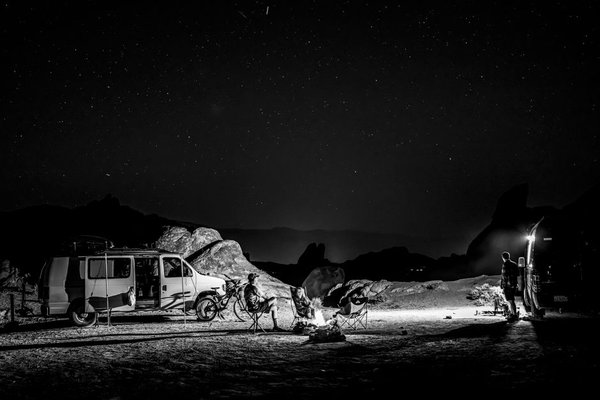
Van life looks simple from the outside: a bed, a road, and the freedom to wake up somewhere new. A successful van life setup has to support sleep, cooking, hygiene, work, storage, safety, and constant movement without turning every day into a logistics problem. The goal is a compact system that covers essential needs and can be adjusted after real use.
Start With the Van Before the Gear
Before filling shelves with van life gear, make sure the vehicle itself is ready for long-distance use. A mechanical inspection, healthy tires, working lights, and a reliable battery are more valuable than decorative upgrades. Keep vehicle documents and roadside-assistance details easy to reach.
A roadside kit should also live somewhere accessible. Useful basics include a charged phone and cable, first-aid supplies, flashlight, jumper cables, tire pressure gauge, drinking water, non-perishable food, warm layers, basic tools, and equipment needed to change a tire. For remote routes, check weather and road conditions before leaving and download maps for offline use.
Build Your Van Around Daily Functions
When converting a van for travel, think in activities rather than products. Where will you sleep, prepare food, change clothes, work, wash up, and store dirty gear? A layout that looks beautiful online can become frustrating if the bed blocks storage or the kitchen cannot be used when it rains.
For a first build, prioritize a comfortable sleeping platform, ventilation, a simple cooking area, water storage, lighting, and secure storage. Keep frequently used items within easy reach and reserve awkward spaces for less-used equipment.
Sleep and Ventilation
Good sleep is part of road safety. Use a mattress you can comfortably sleep on every night, not just for a weekend. Ventilation matters because breathing, cooking, and wet clothing all add moisture inside a small vehicle. Whatever your build style, include a safe way to move fresh air through the interior.
Water and Cooking
Carry enough drinking water for your route, with extra capacity for delays. A removable container is easier to refill than a complicated built-in system for many beginners. Separate clean water from wastewater, and know where each can be legally emptied. For cooking, a compact stove and a small set of versatile cookware are often enough.
Plan Power Around What You Actually Use
Power needs vary dramatically. Someone charging a phone and camera needs far less capacity than a remote worker running a laptop, mobile hotspot, refrigerator, lights, and fans. List each device, how often you use it, and how it will be recharged before choosing a battery or portable power station.
One practical van life tip for beginners is to test your electrical routine at home for several days. Charge only from the equipment you expect to use in the van and notice what runs low first. That trial can reveal what needs changing before you spend heavily.
Make Connectivity Redundant
Long-term nomads should avoid relying on one connection method. Mobile coverage changes by location, terrain, congestion, and carrier. If internet access is essential for work, consider a primary mobile data plan plus a backup option, and download essential documents and navigation information before entering weak-signal areas.
Choose overnight stops while you still have service whenever possible. A simple routine is to confirm the next legal campsite, fuel range, water availability, weather, and signal before leaving town. That habit reduces stressful decisions after dark.
Storage Should Reduce Daily Friction
The best storage system is one you can maintain. Give every category a home: food, clothes, tools, toiletries, electronics, outdoor gear, and cleaning supplies.
Try the “rainy evening” test. Imagine arriving after dark in heavy rain. Can you get inside, change into dry clothes, prepare food, and reach your bedding without unloading half the van outside? If not, reorganize before the trip. Long-term van life rewards layouts that work in bad conditions, not just sunny campsite photos.
Prepare for Hygiene, Waste, and Legal Overnight Stops
Hygiene becomes easier when it is treated as a routine. Keep a small wash kit ready, carry quick-dry towels, and plan regular access to showers, laundries, toilets, and waste disposal. For remote camping, follow local rules and minimum-impact practices, including packing out trash and disposing of waste properly.
Do not assume an empty roadside, trailhead, beach, or public parking area allows overnight camping. Rules vary by land manager and location. On U.S. Bureau of Land Management land, for example, dispersed camping is allowed in many areas, but local restrictions and stay limits can apply. Check posted rules or the relevant land office before settling in.
Keep Safety Gear Easy to Reach
Emergency items are only useful if you can reach them quickly. Keep a suitable fire extinguisher, first-aid kit, flashlight, spare keys, basic tools, and roadside equipment in known locations. Store heavy objects so they cannot become projectiles during sudden braking. Handle cooking equipment and fuel according to manufacturer instructions and local safety requirements.
Tell someone your route when traveling into remote areas, especially if you expect limited signal. Carry enough water, food, medication, and warm clothing to handle an unexpected delay.
Pack for Real Life, Not Every Possibility
New van lifers often overpack because the van feels like a home. Space disappears quickly. Start with clothing that layers well, a compact kitchen, essential toiletries, weather-appropriate outerwear, and equipment for your actual hobbies. If an item has not been used after several weeks and is easy to replace, consider removing it.
FAQ
What are the most important van life essentials for beginners?
Start with vehicle reliability, a comfortable bed, ventilation, drinking water, basic cooking equipment, safe power, lighting, weather-appropriate clothing, a roadside emergency kit, first-aid supplies, and a realistic plan for toilets, showers, laundry, waste, and legal overnight parking.
How much van life gear should I buy before starting?
Buy enough to meet core daily needs, then add equipment after you have used the van. Starting lean helps you avoid spending money on gadgets that take up space without solving a real problem.
Do I need solar power for van life?
Not necessarily. Solar can be useful for off-grid charging, but the right system depends on your electrical demand, climate, parking habits, and other charging options. Work out your actual power use before choosing a setup.
How do new nomads find legal places to sleep?
Use official campground and public-land information, local regulations, and reputable camping resources. Verify rules for each location because overnight parking and dispersed camping restrictions can change between jurisdictions and land managers.
Make the Setup Earn Its Space
A useful van life essentials guide should leave you with fewer things to buy, not more. Focus first on the systems that keep you rested, fed, connected, safe, and legally parked. Then live with the setup long enough to notice genuine friction. The best van becomes personal over time: every item earns its space, every routine becomes easier, and the vehicle supports the journey instead of demanding constant attention.