

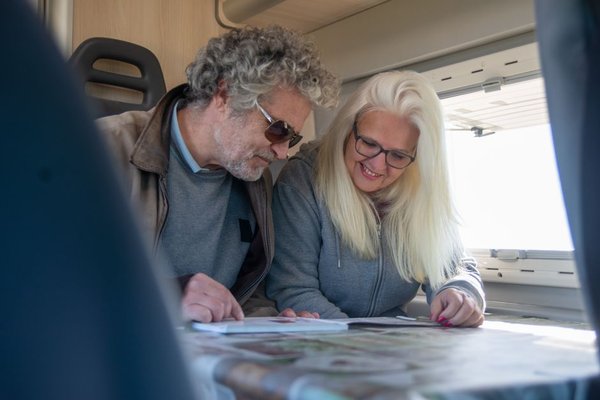
RV travel has a strong appeal in 2026: it combines the freedom of a road trip with many of the comforts of a hotel or holiday rental. National parks, scenic routes, beaches, and closer-to-home destinations remain popular RV choices. For a beginner, though, that freedom can feel intimidating. You are not only choosing where to go; you are also managing a larger vehicle, campground rules, fuel, water, power, meals, and realistic driving time.
A useful RV road trip planning guide should make those decisions simpler. The goal is to create enough structure that your first trip feels relaxed rather than improvised.
Start With a Manageable First Trip
For a first time RV trip, shorter is usually better. A three- to five-night journey with one or two campground bases gives you time to learn the vehicle without spending every day packing up and driving. Instead of building an ambitious cross-country itinerary, choose a destination within a comfortable day’s drive and explore nearby attractions from there.
Match the route to the type of holiday you want. A national park trip may require early campground reservations and close attention to RV size limits. A scenic route needs checks for steep grades, low clearances, narrow roads, seasonal closures, and fuel availability. The fastest car route is not always the best RV route.
Choose an RV That Fits Your Confidence Level
One of the most practical RV rental tips is to avoid renting more vehicle than you need. A larger motorhome provides extra space but needs more room for turning, parking, fueling, and campsite access. A compact Class B or Class C may feel easier for a first journey.
Before booking, confirm the RV’s exact length and height. You will need those measurements for campsites and route restrictions. Also check what the price includes. Mileage allowances, generator use, kitchen kits, linens, cleaning fees, pet charges, insurance, deposits, and roadside assistance can vary between rental companies.
A natural internal resource at this stage would be an RV rental checklist for beginners. Another useful follow-up would be choosing the right RV size for your trip.
Plan RV Road Trip Routes Around Driving Time
RV trip planning works better when you think in hours behind the wheel rather than miles alone. RVs can be more tiring to drive than cars, especially in wind, traffic, mountains, or unfamiliar towns. Add time for fuel, meals, rest stops, and slower roads.
Imagine a four-night trip to a national park about 280 miles from home. In a car, you might view it as an easy half-day. In an unfamiliar RV, a better plan is to leave early, schedule a fuel stop before the final remote stretch, and aim to reach the campground in mid-afternoon. That leaves daylight to find the site, level the vehicle, connect utilities, and solve small setup problems without rushing.
RV-specific navigation tools can flag unsuitable roads, but check official park and highway information before departure because restrictions and conditions can change.
Reserve Campsites With Your Measurements Ready
A campsite labelled RV friendly is not automatically suitable for every rig. Campgrounds may have strict maximum lengths, tight turning areas, and different combinations of electric, water, and sewer hookups. Some national park campgrounds provide no hookups, while others offer more developed facilities.
Compare the campsite’s stated vehicle limit with your actual RV length rather than assuming a slightly oversized vehicle will fit. Parking pads, access roads, and turning radii can make those limits important for safety.
Recreation.gov is commonly used for reserving federal campgrounds and checking site details. Booking windows vary, so check the specific location. If a popular campground is essential to your itinerary, secure that reservation before finalising the rest of the route.
Build a Budget Beyond the Rental Price
RV travel can offer flexibility and value, but it is not automatically cheap. Include the rental, campground fees, fuel, food, tolls, parking, propane, generator charges, and any extra mileage. Keep a contingency amount for an extra night, unexpected supplies, or a route change.
Fuel costs deserve a buffer because consumption changes with vehicle size, speed, terrain, weather, and load. Estimate the total route distance, use the rental company’s typical fuel guidance if available, and avoid building the budget around an optimistic miles-per-gallon figure.
Learn the Basic RV Systems Before Leaving
Ask for a full walkthrough at pickup. If permitted, record short videos on your phone showing how the important systems work. Know how to connect shore power, use fresh water, read tank levels, operate the refrigerator and water heater, and empty waste tanks if your trip requires it.
Do not leave until you know where the electrical cable, water hose, sewer equipment, leveling blocks, and emergency gear are stored. A useful internal guide here would be RV hookups and campground utilities.
Pack Light and Create Simple Checklists
It is easy to overpack because an RV looks spacious while parked. Storage fills quickly, and loose items can become hazards when the vehicle moves. Pack flexible clothing, simple meals, refillable water bottles, chargers, medications, toiletries, outdoor gear, and only the kitchen equipment you expect to use.
Before driving away each morning, confirm that doors and cabinets are latched, hookups are disconnected, steps and awnings are retracted, windows and roof vents are secure, and nothing remains outside. Walk around the RV once before moving.
At the next campsite, park carefully, confirm the vehicle is fully within the site, level it if necessary, and connect utilities according to the vehicle’s instructions. Ten calm minutes at arrival can prevent damaged equipment or an awkward repositioning later.
Frequently Asked Questions
How far should a beginner drive an RV in one day?
There is no universal mileage limit. Plan more conservatively than you would in a car and leave time for slower speeds, rest stops, fuel, traffic, and campsite setup before dark.
Do I need to reserve RV campgrounds in advance?
Advance reservations are wise for popular national parks, peak seasons, and holiday weekends. Some locations offer first-come, first-served sites, but relying on them can add unnecessary stress to a first trip.
What should I check before renting an RV?
Confirm the vehicle’s length and height, sleeping capacity, mileage policy, generator rules, insurance, roadside assistance, included equipment, pet policy, deposit, and cleaning requirements. Make sure you are comfortable driving the size you book.
What is the biggest beginner RV planning mistake?
Trying to cover too much distance is a common problem. A slower itinerary with fewer stops gives you more time to enjoy the destination and learn the RV without turning the holiday into a daily packing and driving exercise.
Plan Enough to Make the Trip Feel Easy
The best beginner itinerary is rarely the one with the most stops. It is the one that matches your RV, budget, driving confidence, and preferred pace. Choose a manageable route, reserve campsites that truly fit the vehicle, understand the rental terms, and leave breathing room in each day. Once those basics are handled, the appeal of RV travel becomes clear: you can wake up close to the places you came to see, carry your comforts with you, and still slow down when the road gives you a reason to stay longer.