

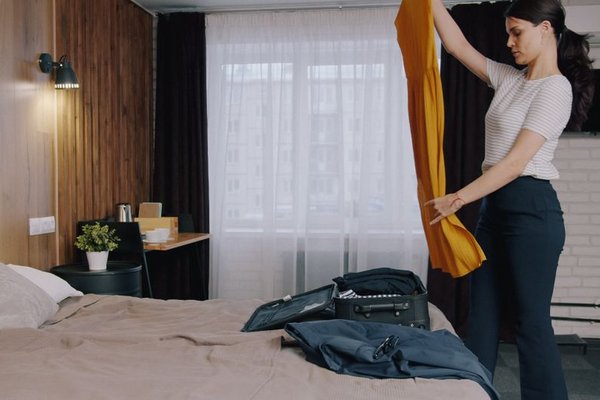
A hotel can feel reassuring after a long travel day: there is a front desk, a locked door and somewhere to leave your bags. Yet staying alone changes how those features work. There is no companion to notice who followed you down the corridor, check a faulty lock or make a second call for help. Good solo hotel safety tips are less about expecting trouble and more about making a few smart decisions before you get comfortable.
Choose the Hotel for Its Security, Not Just Its Rating
Start with recent guest reviews, especially comments about staff availability, entrances, lighting and whether unwanted visitors can reach guest floors. A beautiful lobby does not tell you much about hotel safety when alone. Check the surrounding streets on a map and consider how you will reach the property after dark.
A staffed reception desk, controlled access to room corridors and an easy-to-reach location can make a safe hotel stay simpler. If you expect to arrive late, confirm that check-in is available and ask how to enter the building. Keep a second accommodation option in mind if the property differs substantially from its listing. Our guide to choosing safer accommodation can help with the wider booking decision.
Request a Room That Makes Sense for You
No particular floor is automatically safest. A room near a working stairwell may be convenient in an emergency, while one immediately beside a noisy exit can feel exposed. Ground-floor windows may need extra attention; upper floors can create challenges for guests who cannot use stairs. Balance access, privacy, mobility and the building’s fire arrangements rather than relying on a universal floor rule.
If a corridor feels isolated or the room overlooks an unsecured public area, ask whether another room is available. You can make this request without explaining that you are traveling alone.
Protect Your Privacy at Check-In
A small interaction at reception can reveal more than you intend. If a staff member announces your room number loudly within earshot of other guests, discreetly ask for a different room or a new key assignment. Keep the key sleeve, which may display the room number, out of sight rather than carrying it alongside your key.
Use the First Five Minutes as a Room-Security Check
Before unpacking, test the main door, deadbolt and any privacy latch. Confirm that the door closes and latches on its own; some doors look shut while remaining slightly open. Check windows and connecting-room doors, then close curtains so people outside cannot see your belongings or whether the room is occupied.
Locate the room telephone, reception number and emergency information. Find the posted evacuation map and identify two usable exits from your floor where possible. The U.S. Fire Administration recommends learning the exit routes and counting the doors between your room and the exits, which can help if visibility is poor.
Also notice smoke alarms, signs of damaged locks or anything that suggests unauthorized entry. Report concerns promptly and request another room if essential security features do not work. These room security tips take little time but are easiest to act on before you settle in.
Make Door Security a Habit
Use the installed deadbolt or latch while inside, including when showering or sleeping. When leaving, give the door a gentle pull to confirm it has latched. Never prop a guest-room door open, even for a quick trip to the ice machine.
Pay Attention in Elevators and Shared Areas
Stay aware of who enters a lift with you without treating every stranger as suspicious. If someone makes you uncomfortable, remain in a public area, let the lift go or return to reception. You do not owe anyone an explanation for changing direction.
Imagine leaving the lobby and noticing the same person lingering behind you on two turns toward your room. Rather than testing whether they are following you, go back to the staffed desk and explain what happened. Avoid leading an unfamiliar person to your door.
Handle Valuables Without Advertising Them
Keep your passport, backup payment method and essential medication somewhere secure and accessible as appropriate to local requirements. Room safes can be useful, but they are not a guarantee against theft. Avoid leaving cash, expensive electronics or identifying documents visible near the door or window.
Treat Unexpected Visitors as Unverified
If someone knocks claiming to be maintenance, housekeeping or room service and you did not request a visit, keep the door locked while you call reception using a number you already trust. A uniform or confident introduction is not proof of authorization. Ask the desk to confirm the person’s name and reason for visiting.
Meet new acquaintances in the lobby or another public area rather than inviting them to your room. If a visitor refuses to leave or pressures you to open the door, call hotel security or local emergency services as the situation requires.
Know What to Do When Something Feels Wrong
You do not need proof of danger to ask for help. If a key appears to have been used, the door shows signs of tampering or you believe someone is inside, do not enter to investigate. Move to a staffed public area and contact reception or security. If there is an immediate threat, call the local emergency number.
Ask the hotel to change your room and deactivate previous key cards when appropriate. If staff dismiss a serious concern, consider leaving for another verified property, using a reputable transport option. Prioritize safety over recovering possessions or avoiding an awkward conversation.
Save your accommodation address and local emergency number offline before arrival. A simple travel emergency plan is useful even when your phone loses signal or power.
Frequently Asked Questions
Is it safe to stay in a hotel alone?
Many people stay in hotels alone without incident. Your risk depends on the property, location and circumstances. Research the hotel, protect your room number, use working locks and know how to contact staff quickly.
Should solo travelers avoid ground-floor hotel rooms?
Not necessarily. Ground-floor rooms can offer easier exit access for some guests but may have windows facing public spaces. Consider window security, accessibility, staff presence and evacuation needs before choosing.
What should I do if someone follows me to my hotel room?
Do not go to your door. Return to reception or another staffed public space, explain what you noticed and request assistance. Call emergency services if you feel immediately threatened.
Can I open the door for hotel staff?
Verify an unexpected visit with reception first, using the hotel’s official number or the room telephone. Keep the door locked until you are satisfied the person is authorized.
A Safer Stay Starts With Small Decisions
The most useful solo hotel safety tips are repeatable: choose carefully, keep your room number private, test the locks, learn your exit routes and speak up early when something seems off. None of these steps requires traveling in fear. They simply give you more control over a place that is temporarily yours, so you can rest and enjoy the journey.