

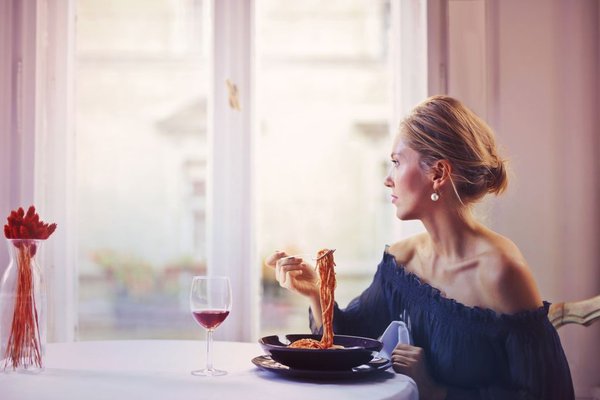
The first time you walk into a restaurant alone on a trip, the host’s simple question—“Just one?”—can feel surprisingly loud. You may have spent the day happily exploring by yourself, only to become self-conscious when it’s time for dinner. Eating alone while traveling feels different from sightseeing alone because meals are often treated as shared occasions.
Yet a solo table isn’t a test of confidence. It’s simply a place to eat, rest, and experience another part of your destination. A few choices about where you go, when you arrive, and how you spend the meal can make dining solo feel natural.
Choose a Restaurant That Makes Solo Dining Easy
You don’t need to start with a formal dining room full of couples celebrating anniversaries. For an early solo meal, try a café, noodle shop, casual bistro, market hall, or restaurant with counter seating. These places have a steady flow of customers coming and going, so a party of one blends into the rhythm.
Look at recent photos and menus before heading out. Is there a bar or window counter? Are there individual dishes rather than only sharing platters? Can you see a relaxed seating area? Those details are more useful than star ratings when deciding whether a restaurant suits a solo visit.
Use Timing and Seating to Your Advantage
Arriving a little before the busiest dinner period may make your first experience easier. Staff are often less rushed, and you may have more seating options. Check the restaurant’s actual opening hours and local dining customs rather than assuming dinner starts at the same time everywhere.
When you arrive, say, “Table for one, please.” There’s no need to explain that you’re traveling alone. If you prefer a particular spot, politely ask whether a counter, window seat, or small table is available. Counter seating can be comfortable because you have something to watch without feeling obliged to make conversation.
For popular restaurants, reservations can reduce uncertainty. Check whether they accept bookings for one; some booking systems do not show every possible solo option. You can also ask directly if walk-ins are welcome.
Make the First Five Minutes Less Awkward
The most uncomfortable part of eating out alone is often the gap between sitting down and ordering. You have no companion to talk to, and suddenly you’re aware of where to put your hands. Give yourself a small routine: settle your bag, look over the menu, order a drink, and choose the dish you’re most curious about.
Bring a paperback, a travel journal, or a saved article if having something to focus on helps. You don’t have to pretend to be busy, though. Watching a street, noticing the room, or enjoying a quiet drink is a valid way to spend time.
If using your phone, keep it from taking over the entire experience. A few minutes of scrolling might ease nerves; an hour of distracted eating can make you miss the meal you came to enjoy.
Order for Yourself, Not for an Imaginary Audience
One overlooked advantage of dining alone on vacation is that no one else has to agree with your choice. You can order the regional specialty, skip a course, spend extra time over dessert, or have a quick lunch before the next museum. Ask the server what a dish contains or how large it is if you’re unsure.
Handle the Feeling That Everyone Is Watching
It may seem as though other diners are noticing you, but you usually can’t know what they’re thinking. Most people are occupied with their own meals. Instead of trying to look like someone who dines alone all the time, shift your attention outward: the food, the surroundings, the people passing by.
If a server asks whether someone is joining you, a calm “No, it’s just me” is enough. If another diner starts a conversation, you can welcome it or keep your reply brief. Neither choice needs defending.
Stay Aware Without Letting Safety Dominate the Meal
Good solo dining tips also account for practical safety. Know how you’ll get back to your accommodation, especially after dark. Keep your phone charged, watch your belongings, and avoid leaving drinks unattended. If you consume alcohol, consider how it affects your ability to navigate an unfamiliar area.
Be thoughtful about sharing your lodging details or exact plans with strangers. A friendly conversation with staff or other diners can be a highlight, but you can always end it politely. For more preparation, a solo travel safety checklist can help you build routines before you arrive.
Try a Three-Meal Confidence Experiment
Rather than forcing yourself into the most challenging setting immediately, treat your first few meals as gentle practice. Start with breakfast at a bakery where you order at the counter. Next, have lunch at a café with outdoor seating. Then book a dinner at a restaurant you’ve been excited to visit.
Imagine you’re visiting Lisbon alone. You begin with coffee and a pastry at a neighborhood café, then eat lunch at a food market where everyone shares long tables. By evening, you’re comfortable asking for a table for one at a small restaurant. The point isn’t that Lisbon has a special rule; it’s that each meal builds familiarity with being your own company.
If social connection is what you’re missing, combine solo meals with other activities. A cooking class or walking tour may provide conversation without making every dinner a social challenge. Planning a first solo trip itinerary with a mix of independent and group experiences can help.
Frequently Asked Questions
Is it normal to feel awkward eating alone while traveling?
Yes. A restaurant can feel more socially exposed than a museum or a walk, particularly on your first trip alone. Feeling awkward doesn’t mean other people are judging you. Choose a low-pressure venue and allow yourself time to adjust.
What are the best restaurants for solo travelers?
Casual cafés, counter-service restaurants, food halls, and places with bar seating can be welcoming starting points. The best choice ultimately depends on the atmosphere, menu, local customs, and what makes you comfortable—not a single restaurant category.
Should I bring a book when dining alone?
If it makes the meal more enjoyable, absolutely. A book or journal can ease waiting time, but it isn’t required. You can also look around, savor your food, or chat briefly with staff when they’re not busy.
How can I enjoy a nice dinner by myself?
Reserve a restaurant you’re excited about, request a comfortable seat, and order what appeals to you. Give yourself permission to enjoy the pace of the meal. A special dinner doesn’t need a second person to count as a special occasion.
Let the Meal Be Part of the Journey
Eating alone while traveling gets easier when you stop treating an empty chair as something to explain. Choose settings that fit your mood, prepare for the practical details, and let yourself enjoy the food. Some meals may be quiet, others unexpectedly social. Both belong to the experience of seeing a place on your own terms.