

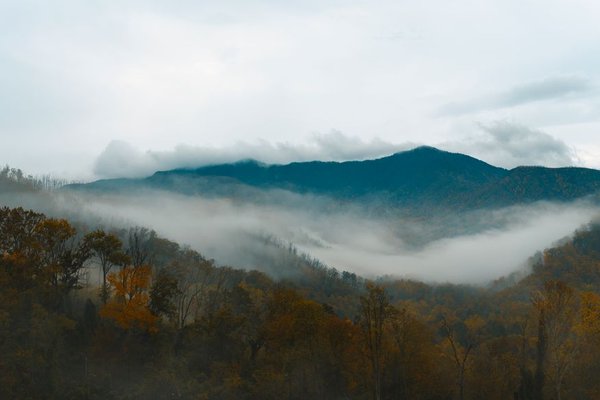
Every year, more people walk through the Great Smoky Mountains than through any other national park in the country. That single fact says a lot. This isn’t a hidden gem tucked away for a niche crowd of hardcore hikers — it’s a park that pulls in families, retirees, photographers, and weekend road-trippers alike, and it does it every single month of the year. Straddling the border of Tennessee and North Carolina, the Smokies offer a rare combination: dramatic mountain scenery, dense and accessible wildlife, and a fall foliage show that draws visitors from across the globe. If you’re planning a trip and trying to figure out where to go, when to go, and what not to miss, this guide walks through everything you need to know.
Why the Great Smoky Mountains Draw So Many Visitors
Part of the appeal is simple geography. The park sits within a day’s drive of a huge chunk of the U.S. population, and unlike many western parks, there’s no entrance fee, which removes a common barrier for families planning a trip. But convenience alone doesn’t explain the loyalty this park inspires. The Smokies pack an enormous amount of ecological diversity into a relatively compact footprint — over 19,000 documented species, ancient forests that were never logged, and an elevation range that shifts the landscape from southern hardwoods near the valleys to spruce-fir forest that feels more like Canada near the peaks.
That diversity is also what makes the park interesting no matter when you visit. Spring brings wildflowers carpeting the forest floor. Summer offers cool, misty mornings even when the lowlands are sweltering. Fall turns the entire park into a slow-motion color show. And winter, often overlooked, delivers quiet trails and crisp mountain views without the crowds.
Top Great Smoky Mountains Attractions
With over 800 square miles to explore, it helps to know where to focus your time, especially on a first visit.
Cades Cove
If there’s one place in the park that shows up on nearly every visitor’s itinerary, it’s Cades Cove. This broad, grassy valley is ringed by mountains and threaded with a scenic 11-mile loop road that passes historic churches, log cabins, and open fields where white-tailed deer graze right alongside the pavement. Cades Cove is also one of the most reliable spots in the entire park for wildlife sightings, which we’ll get to shortly. Plan for the loop to take at least two to three hours, longer during peak season when traffic slows to a crawl.
Clingmans Dome
At 6,643 feet, Clingmans Dome is the highest point in the park and one of the highest peaks in the eastern United States. A steep but short paved trail leads to an observation tower with sweeping 360-degree views that, on a clear day, stretch over 100 miles. It’s a popular sunrise and sunset spot, so arrive early if you want a quiet moment at the top.
Roaring Fork Motor Nature Trail
This narrow, winding one-way road near Gatlinburg offers a quieter alternative to Cades Cove, with waterfalls, historic cabins, and dense old-growth forest pressing in close to the road. It’s an easy add-on if you’re already staying near Gatlinburg or Pigeon Forge.
Waterfalls and Trails
The park is home to dozens of named waterfalls, with Laurel Falls, Rainbow Falls, and Abrams Falls among the most popular. Laurel Falls in particular is a favorite for families since the trail is paved, though it does get busy. For those wanting more solitude, trails off the beaten path near Greenbrier or Cataloochee offer similar scenery with a fraction of the foot traffic.
Smoky Mountains Fall Foliage: When to Go
Fall foliage is arguably the single biggest driver of visits to the park, and timing it right makes a real difference. Because the Smokies span such a wide elevation range, the color change doesn’t happen all at once — it rolls through the park over several weeks. Higher elevations, like those near Clingmans Dome and Newfound Gap, typically start turning in mid to late September. Lower elevations, including Cades Cove and the areas around Gatlinburg, usually peak in the last week of October into early November.
If you only have one weekend to catch the show, mid to late October is generally the sweet spot for the broadest range of color across the park. That said, fall is also the busiest season, so expect heavier traffic on popular routes and consider arriving early in the morning to beat both the crowds and the parking crunch at trailheads.
Smoky Mountains Wildlife: What You Might See
Few national parks offer wildlife viewing as consistent as the Smokies. The park is home to an estimated 1,500 black bears, along with white-tailed deer, wild turkeys, elk, and, if you’re lucky, the occasional bobcat sighting. Cades Cove remains the most dependable spot for spotting deer and, particularly in early morning or late evening, black bears foraging along the tree line.
Elk, which were reintroduced to the park in the early 2000s, are most commonly seen in the Cataloochee Valley, especially during the fall rutting season when bulls bugle to attract mates. Wherever you’re watching wildlife, keep a safe distance, use a zoom lens rather than approaching for a photo, and never feed animals, both for your safety and theirs.
Best Season to Visit the Great Smoky Mountains
There’s no single “best” time to visit — it really depends on what you’re after. Fall wins for foliage and general scenery, but it also brings the heaviest crowds. Spring offers wildflowers, waterfalls swollen with snowmelt, and noticeably thinner crowds than autumn. Summer is peak season for families traveling with kids out of school, with lush green forests and warm (though often humid) weather. Winter is the park’s quiet secret: many trails remain accessible, wildlife is easier to spot against bare trees, and you can often have entire overlooks to yourself, though some higher-elevation roads do close due to snow and ice.
Frequently Asked Questions
Is there an entrance fee for the Great Smoky Mountains National Park?
No, the park does not charge a general entrance fee, making it one of the few major national parks that’s completely free to enter. However, a parking tag is required for vehicles parked longer than 15 minutes.
What is the best month to see fall foliage in the Smoky Mountains?
Late October is typically the best window for peak color at lower elevations, while higher elevations like Clingmans Dome often peak a few weeks earlier, in late September to early October.
Where is the best place to see wildlife in the park?
Cades Cove is the most reliable spot for spotting deer and black bears, while Cataloochee Valley is the best location to see elk, particularly during the fall rutting season.
How many days do you need to see the Great Smoky Mountains?
Two to three days is enough to hit the major highlights, including Cades Cove, Clingmans Dome, and a couple of waterfall hikes, though a longer stay allows for a more relaxed pace and access to quieter trails.
Whether you’re chasing the perfect foliage photo, hoping to spot a black bear from a safe distance, or simply looking for a scenic escape within driving distance of home, the Great Smoky Mountains deliver in a way few other parks can match. The key is matching your visit to what you actually want to experience — because this park genuinely changes character with every season, and there’s rarely a bad time to go.