

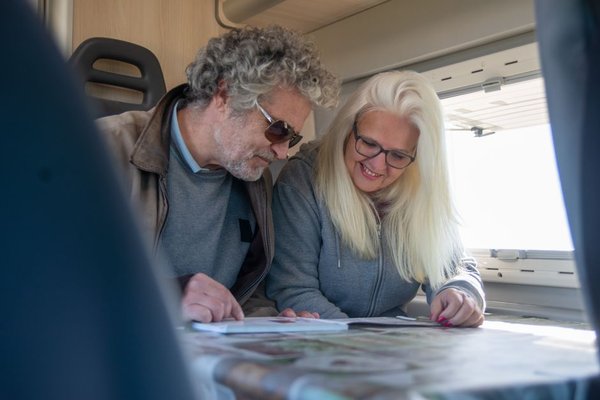
RV travel appeals to people who want the freedom of a road trip without giving up every comfort of home. For beginners, though, the idea can feel overwhelming. There is a vehicle to choose, a route to map, campsites to book, and a budget to manage before the wheels start turning. The good news is that a successful first adventure does not require expert knowledge. With thoughtful preparation, this RV road trip planning guide can help you create a trip that feels flexible, comfortable, and genuinely enjoyable.
Start With the Trip You Want
Before comparing vehicles or plotting hundreds of miles, decide what you want the journey to feel like. You might imagine slow mornings beside a lake, visits to national parks, coastal drives, or stops in several small towns. Your priorities will shape every part of your RV trip planning, including route length, campsite type, and daily driving time.
For a first time RV trip, simplicity is usually better than ambition. A shorter journey with two or three main stops gives you time to learn how the vehicle works without constantly packing up. It also leaves room for weather changes, delays, or a destination you decide to enjoy for another night.
Choose the Right RV
RVs range from compact campervans to large motorhomes with separate living and sleeping areas. Bigger is not automatically better. A large vehicle offers more space, but it may be harder to park, more expensive to fuel, and less comfortable on narrow roads.
Consider how many people are travelling, how much storage you need, and whether everyone requires a fixed bed. Check the kitchen, bathroom, seat belts, heating or air conditioning, and fresh-water capacity. A couple may be comfortable in a small campervan, while a family may value extra sleeping space and a practical dining area.
Important RV Rental Tips
Compare more than the daily rental price. Ask what mileage is included, how insurance works, and whether there are charges for generators, cleaning, bedding, kitchen equipment, additional drivers, or late returns.
Before departure, request a full walk-through. Learn how to connect electricity and water, operate the toilet, check tank levels, and use the appliances. Photograph the RV’s condition and confirm the emergency contact process. These RV rental tips can prevent confusion when you reach your first campsite.
Plan a Realistic Route
The best RV road trip routes are not necessarily the ones covering the greatest distance. Driving an RV often takes more concentration than driving a car, while fuel stops, breaks, and slower roads make journeys longer than expected. Build the itinerary around manageable driving days rather than the maximum number of attractions you can squeeze in.
Check bridge heights, weight restrictions, steep gradients, road conditions, and seasonal closures where relevant. Standard navigation apps may suggest unsuitable roads, so use an RV-aware navigation tool or verify the route manually. Identify fuel stations with straightforward access and enough turning space.
Keep Some Flexibility
A plan is useful, but an hour-by-hour schedule can make the holiday feel like work. Allow time for grocery stops, campsite setup, scenic viewpoints, and rest breaks. Reserve campsites near popular destinations early, while keeping less important sections flexible. This provides security without removing the spontaneity that makes RV travel special.
Book Suitable Campsites
Campsites vary widely. Some provide full hookups for electricity, water, and waste disposal, while others offer only a pitch and basic facilities. Beginners often feel more comfortable at an established campground with clear instructions, toilets, showers, and staff nearby.
Before booking, confirm the maximum RV length, arrival time, hookup type, pet rules, quiet hours, and parking arrangement. Read recent reviews for details such as road noise, mobile signal, shade, and cleanliness. When staying without hookups, understand how long your battery, water supply, and waste tanks can last.
Build a Complete Budget
The rental is only one part of the total cost. Your budget should include fuel, campsite fees, insurance, food, tolls, parking, activities, propane or generator use, and an emergency allowance. Fuel consumption can be much higher than in a car, particularly with a large motorhome or a hilly route.
Cooking inside the RV can reduce meal costs, but avoid buying more food than the available storage can hold. Plan simple meals with ingredients that work in several dishes. Keep some money available for local restaurants and spontaneous experiences too.
Pack Light and Practically
Bring weather-appropriate clothing, comfortable shoes, reusable water bottles, chargers, toiletries, medicines, and compact entertainment. Depending on what the rental includes, useful equipment may include a flashlight, outdoor chairs, work gloves, levelling blocks, a water hose, and electrical adapters.
Carry your driving licence, rental agreement, insurance information, campsite confirmations, and emergency contacts. Download maps and booking details in case mobile service disappears. A small first-aid kit and basic roadside emergency supplies are sensible additions.
Learn the Daily RV Routine
Before driving, secure cupboards, close windows and roof vents, disconnect hookups, retract steps or awnings, and remove loose objects. Walk around the vehicle to check tyres, lights, doors, and anything stored outside.
At the campsite, park carefully, level the RV if necessary, apply the parking brake, and connect services correctly. Monitor water, battery power, and waste tanks instead of waiting for a problem. These small habits make the experience calmer and protect the vehicle.
Prepare for Changes
Even good planning cannot control traffic, weather, mechanical issues, or a fully booked campground. Keep alternative stops in mind, check the forecast each morning, and avoid travelling with an almost empty fuel tank or no food.
If something goes wrong, follow the rental company’s support process rather than attempting a repair you do not understand. A flexible schedule and emergency fund can turn a potential crisis into a manageable delay.
Frequently Asked Questions
How far should a beginner drive each day?
Plan shorter days than you would in a car. Consider road type, vehicle size, breaks, and campsite arrival time. Reaching the site before dark makes parking and setup easier.
Must every campsite be booked in advance?
No, but popular parks, holiday weekends, and peak-season destinations often require early reservations. In quieter areas, you can remain flexible while keeping backup options available.
Can I park an RV anywhere overnight?
No. Overnight parking rules vary by location and landowner. Use campgrounds, designated RV areas, or other places where overnight stays are clearly permitted.
Is an RV road trip suitable for families?
Yes, when the RV has appropriate seat belts, sleeping space, and a workable layout. Plan frequent breaks and avoid excessively long driving days.
Conclusion
A memorable RV journey begins with realistic expectations, not a perfect itinerary. Choose a manageable vehicle, plan comfortable driving days, understand your campsite needs, and budget for the complete experience. Most importantly, leave space to enjoy the places between your planned stops. With this RV road trip planning guide as a starting point, your first adventure can feel less intimidating and far more rewarding.