

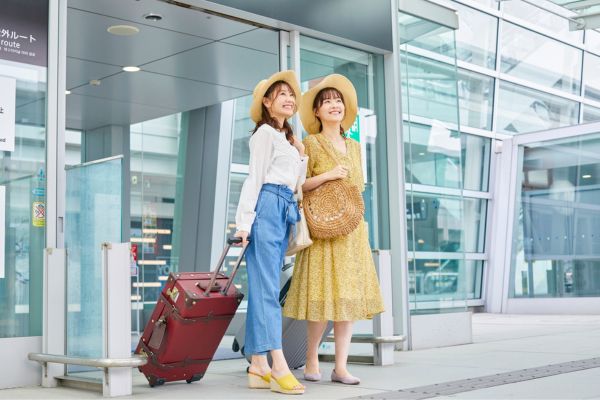
Travel has a way of making life feel wider. A quiet morning in a new city, a train ride through unfamiliar countryside, a small café where nobody knows your name yet somehow everything feels welcoming — these moments can stay with you for years. For many women, travel is not just a break from routine. It is a form of confidence, independence, curiosity, and sometimes even healing.
Still, it would be dishonest to talk about women’s travel without talking about safety. Not in a fearful way, and certainly not in a way that suggests women should shrink their plans or avoid the world. The goal is the opposite. Good preparation helps women move through new places with more ease, more awareness, and more freedom. These women’s travel safety tips are not about expecting danger around every corner. They are about staying alert while still enjoying the beauty, surprise, and joy of the journey.
Know Your Destination Before You Arrive
A safe trip often begins long before the suitcase is zipped. Researching your destination gives you a clearer sense of what to expect, especially when it comes to local customs, transportation, neighborhoods, dress norms, and common travel scams.
This does not mean studying every detail until the trip feels like homework. It simply means learning enough to avoid walking blindly into situations that could have been prevented. Find out which areas are best avoided at night, how reliable taxis or ride-share services are, and whether public transport is safe for solo travelers. Read recent traveler experiences, especially from women, because their perspective can be more practical than a generic destination guide.
It also helps to understand the cultural rhythm of a place. In some cities, dining alone is completely normal. In others, certain behavior may attract extra attention. Knowing this in advance can help you blend in more comfortably and reduce unnecessary stress.
Choose Accommodation With Safety in Mind
Where you stay can shape the entire feeling of a trip. A beautiful room is lovely, of course, but location matters even more. Try to choose accommodation in a well-reviewed, central, and easily accessible area. A cheaper place far from transport or tucked into a poorly lit street may not feel like such a bargain when you return late in the evening.
Before booking, read reviews carefully. Look for comments from women travelers about the neighborhood, staff behavior, security, lighting, and ease of arrival. A property with 24-hour reception, secure entry, and clear communication can make a noticeable difference, especially if you are arriving after dark.
Once you check in, take a minute to understand the layout. Know where the exits are, how the lock works, and whether the windows close securely. These small checks may seem basic, but they help you feel settled rather than vulnerable.
Share Your Plans Without Oversharing Publicly
One of the most practical women’s travel safety tips is to keep someone trusted informed about your movements. Share your itinerary with a family member or close friend, including flight details, hotel information, and any major travel plans. If your schedule changes, send a quick update.
At the same time, be careful about what you share publicly. Posting your hotel name, real-time location, or daily routine on social media can expose more than you intend. It is usually safer to post after leaving a place rather than while you are still there.
This balance matters. You want people you trust to know where you are, but you do not need strangers online to know exactly where you are sleeping, eating, or spending the afternoon.
Trust Your Instincts Without Apologizing
Women are often taught to be polite, even when something feels off. Travel is a good time to unlearn that habit. If a person, place, driver, guide, or situation makes you uncomfortable, you do not need to explain yourself perfectly. You can leave. You can say no. You can change seats, cancel a ride, walk into a shop, call someone, or ask for help.
Instinct is not always dramatic. Sometimes it is just a quiet feeling that something is not right. Maybe a street suddenly feels too empty. Maybe a stranger is asking too many personal questions. Maybe a driver is taking a route that does not match your map. You do not have to wait until discomfort becomes danger before responding.
A firm voice, direct eye contact, and clear boundaries can be powerful. So can silence and leaving quickly. Safety does not require being nice to everyone.
Be Smart About Transportation
Transport is one of the most common areas where travelers can feel exposed, particularly when arriving in a new place. Whenever possible, arrange airport transfers in advance or use official taxi stands and trusted ride-share apps. Avoid getting into unmarked cars or accepting rides from people who approach you inside terminals or near bus stations.
Before entering a vehicle, check the license plate, driver name, and route. Sit in the back seat when using taxis or ride-share services, and keep your bag close rather than placing it in the trunk unless necessary. If the ride feels wrong, end it in a public area.
For public transport, try to travel during busier hours when possible. Empty train cars or isolated stations late at night can feel uncomfortable, even in generally safe cities. When in doubt, spend a little more for a safer route back to your accommodation.
Keep Valuables Low-Key and Secure
Travel does not require looking overly cautious, but it does help to avoid drawing attention to expensive belongings. Flashy jewelry, open bags, visible cash, and phones left on café tables can make you an easier target for theft.
Use a crossbody bag that closes securely, and keep it in front of you in crowded places. Carry only the cash and cards you need for the day, leaving backup cards and extra money locked away safely. It is also wise to store digital copies of your passport, visa, insurance, and important bookings in a secure cloud folder or email account.
When using your phone for maps, step aside rather than standing in the middle of a busy street looking lost. Confidence, even when slightly practiced, can make you look less vulnerable.
Dress With Comfort and Context in Mind
What women wear while traveling should always be their choice. Still, dressing with awareness of local culture can make moving through a destination smoother. In some places, modest clothing may help reduce unwanted attention. In others, practical footwear and simple outfits may matter more because of weather, terrain, or crowded transport.
The point is not to disappear or dress out of fear. It is to feel comfortable, respectful, and able to move easily. A scarf, light jacket, or extra layer can be useful in many destinations, especially when visiting religious sites or conservative areas.
Clothing can also affect safety in practical ways. Shoes you can walk quickly in, bags that do not slip off your shoulder, and outfits with secure pockets can all help during long travel days.
Stay Aware Without Losing the Joy of Travel
There is a difference between awareness and anxiety. Awareness means noticing your surroundings, keeping track of exits, watching your drink, and paying attention to who is nearby. Anxiety means being so tense that you cannot enjoy anything.
The sweet spot is somewhere in between. Look up from your phone when walking. Avoid wearing headphones at full volume in unfamiliar areas. Notice whether a street is becoming quieter or whether someone seems to be following too closely. These habits can become natural without making the trip feel heavy.
At the same time, let yourself enjoy the moment. Sit in the square. Watch the sunset. Take the long walk through the old neighborhood if it feels safe and alive. Safety should support the experience, not steal it.
Be Careful With New Social Connections
Meeting people is one of the pleasures of travel. A conversation with another traveler, a local host, or someone at a café can turn into a beautiful memory. Still, it is wise to move slowly with new connections.
Avoid giving out your accommodation details too quickly. Meet new people in public places, and be cautious about accepting private invitations, especially if alcohol is involved or transportation depends on the other person. If you decide to meet someone, tell a trusted contact where you are going.
You can be open-hearted without being careless. Warmth and boundaries can exist together, and in travel, they often should.
Plan for Emergencies Before They Happen
Emergency planning sounds serious, but it can be simple. Save local emergency numbers, your embassy or consulate information, your accommodation address, and a trusted contact in your phone. Keep some cash separate from your wallet in case your bag is lost or stolen.
Travel insurance is also worth considering, especially for international trips. Medical care, canceled flights, lost luggage, and unexpected disruptions can become stressful very quickly when you are far from home.
It may also help to learn a few key phrases in the local language, such as asking for help, saying you need a doctor, or requesting directions to a police station. Even basic language can make you feel less helpless if something goes wrong.
Protect Your Digital Safety Too
Modern travel depends heavily on phones, apps, digital payments, and online bookings. That convenience is useful, but it also means digital safety matters. Use strong passwords, enable two-factor authentication, and avoid accessing sensitive accounts on public Wi-Fi without protection.
Be cautious when charging your phone in public places. Carrying your own power bank is often safer and more convenient. Also, keep your phone charged before heading out, especially at night. A dead phone can turn a manageable inconvenience into a stressful situation.
Location sharing with a trusted person can be helpful, but review your settings carefully. Share your location intentionally, not accidentally with apps or people you barely know.
Confidence Grows With Every Trip
The first solo trip, or even the first trip to a new kind of destination, can feel intimidating. That is normal. Confidence does not always arrive before the journey. Sometimes it appears slowly, after you navigate a train station, handle a delay, find your hotel, eat dinner alone, and realize you are more capable than you thought.
Good safety habits become easier with practice. You learn how to read a street, how to choose accommodation, how to say no, how to ask for help, and how to enjoy your own company. Over time, these skills become part of the travel experience itself.
Women should not have to carry extra caution everywhere they go, but many do. The key is to turn that caution into practical wisdom rather than fear.
Conclusion
Travel can be deeply rewarding for women, whether it is a weekend escape, a long solo journey, a work trip, or an adventure with friends. The world is not without risks, but it is also full of generous people, unforgettable places, and moments that remind you why stepping outside your familiar life matters.
The best women’s travel safety tips are not about limiting yourself. They are about preparing well, trusting your instincts, moving with awareness, and giving yourself permission to take up space wherever you go. When safety becomes part of your travel rhythm, it does not make the journey smaller. It makes it stronger, calmer, and far more enjoyable.