

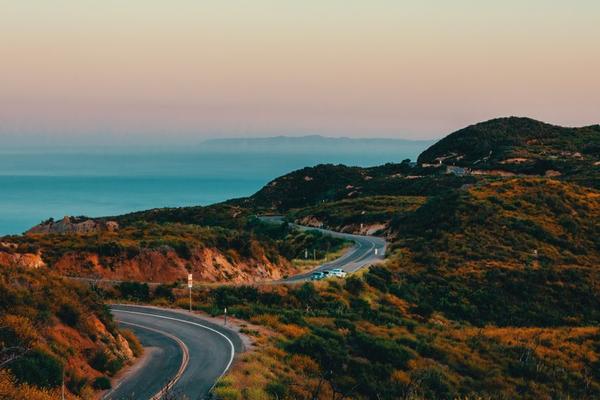
A California road trip can take you from Pacific beaches to busy cities and granite mountains in one holiday. Few places offer this much variety, but the distances are easy to underestimate. The best journey balances spectacular scenery with enough time to actually enjoy it.
Choose a coast-first drive, a national park detour, or a combination. A thoughtful route is more satisfying than trying to tick off every famous location across the state.
Choose the Right California Driving Route
For a classic west coast road trip, follow the coast from San Francisco through Monterey, Big Sur, and Santa Barbara to Los Angeles. For hiking and mountains, detour inland to Yosemite. With more time, add either Sequoia, San Diego, or Joshua Tree rather than cramming in all three.
Flying into San Francisco and home from Los Angeles saves a return drive, though one-way rental fees may apply. A circular route can work if flights are cheaper and you have extra days.
California Road Trip Itinerary: Three Realistic Options
Seven Days: Coast and Cities
Spend two days exploring San Francisco before driving to Monterey. Visit the waterfront, Pacific Grove, or the aquarium, then stay overnight. Reserve the next day for Big Sur’s coastal viewpoints. Continue toward Cambria or San Luis Obispo if road access permits, pause in Santa Barbara, and finish with two days in Los Angeles.
This itinerary favors the Pacific. Adding Yosemite would mean giving up meaningful time at the coast, so save the mountains for another trip.
Ten Days: Coast with Yosemite
Start with two days in San Francisco, then head inland and spend two nights near Yosemite. Return toward Monterey, explore Big Sur and the central coast, and travel through Santa Barbara to Los Angeles. Allow two nights in Los Angeles where possible.
The drive between Yosemite and Monterey is a major transfer, not a sightseeing morning. Check your chosen park entrance and traffic conditions, and avoid scheduling a long hike immediately after arrival.
Fourteen Days: More Room to Explore
With two weeks, extend your time in Yosemite and the coastal towns. After Los Angeles, choose San Diego for beaches and neighborhoods or Joshua Tree for desert scenery. If giant sequoias are a priority, incorporate Sequoia National Park into the inland segment and shorten another stop.
Resist switching hotels every night. Two-night stays give you flexibility when weather changes or a place deserves another morning.
Experience California Scenic Drives Along Highway 1
Highway 1 is famous for its Pacific views. Near Big Sur, cliffs, coves, and the striking Bixby Creek Bridge reward unhurried travel. Farther south, Cambria, Morro Bay, and Santa Barbara provide enjoyable breaks and useful overnight bases.
Check Caltrans QuickMap before driving the Big Sur stretch. Landslides, storms, and roadwork can interrupt through-travel; lane controls have affected the area during 2026. US-101 is an important inland alternative when coastal access changes.
For example, sleep in Monterey, explore Big Sur viewpoints in the morning, and leave the afternoon open instead of committing to twelve stops. A dedicated California Highway 1 road trip guide can help you choose the overlooks that matter most.
Give Each Major City Its Own Time
San Francisco
Explore Golden Gate Park, the waterfront, and different neighborhoods on foot or by public transport. City parking is often expensive, so consider picking up your rental car when you leave.
Los Angeles
Group sights by location. Visit Santa Monica and Venice together, then use another day for museums or Hollywood-area attractions. Traffic makes backtracking frustrating, particularly after a long drive from Santa Barbara.
San Diego
On a longer route, San Diego provides Balboa Park, coastal walks, and a slower finish. Treat the drive from Los Angeles as a separate travel segment.
Choose National Parks by Season
Yosemite deserves a full day in Yosemite Valley, ideally more. The scenic Tioga Road across the high country is seasonal and often closes between late fall and late spring or early summer. In 2026, general advance vehicle entrance reservations are not required, but fees and certain lodging, camping, and activity permits still apply. Confirm the rules for your travel dates.
Sequoia and Kings Canyon offer giant trees and winding mountain roads. Snow may bring chain requirements or closures, and fuel is unavailable inside park boundaries. A detailed Sequoia and Kings Canyon itinerary helps you choose accessible groves and overnight locations.
Joshua Tree is suited to desert landscapes and rock formations. Death Valley needs more preparation: dangerous summer heat, remote roads, and long distances make it unsuitable as a casual extra stop.
When to Plan Your Road Trip
Spring is appealing for the coast, although higher Sierra roads can remain snowbound. Summer brings better mountain access but crowded parks and severe inland heat. Autumn often suits coastal drives and cities. Winter may work for coastal and desert visits but complicates travel in the mountains.
Let your must-see landscape set the timing. Check mountain road openings if Yosemite’s high country is essential, and keep a backup coastal route if Big Sur is your priority.
Keep Driving Days Manageable
A navigation estimate leaves out meals, parking, viewpoints, and park entrance queues. Aim for two to four hours of driving on many sightseeing days. The stretch from Monterey toward Cambria can occupy most of a day once stops and winding roads are included.
Download offline maps, carry water, check rental-car charges, and book popular park accommodation early. Before departure, consult current Caltrans advisories and National Park Service alerts rather than relying entirely on an old map.
Frequently Asked Questions
How many days do you need for a California road trip?
Seven days suits a coastal trip. Ten days can include Yosemite, while fourteen days allow more relaxed travel and a southern extension.
Is Highway 1 always open through Big Sur?
No. Weather, repairs, and landslides can affect access. Check Caltrans updates just before driving and keep an inland backup.
What is the best month for a California road trip?
There is no perfect month for every region. Spring and autumn often suit the coast, summer favors mountain access, and cooler months are better for deserts.
Can you visit Yosemite and Los Angeles on one journey?
Yes. Allow around ten days if you also want coastal stops, and spend at least two nights near Yosemite.
Leave Space for the Unexpected
The strongest California road trip is not the one with the most pins on the map. Connect a few regions logically, allow generous time for viewpoints and neighborhoods, and let the places you miss become reasons to return.